

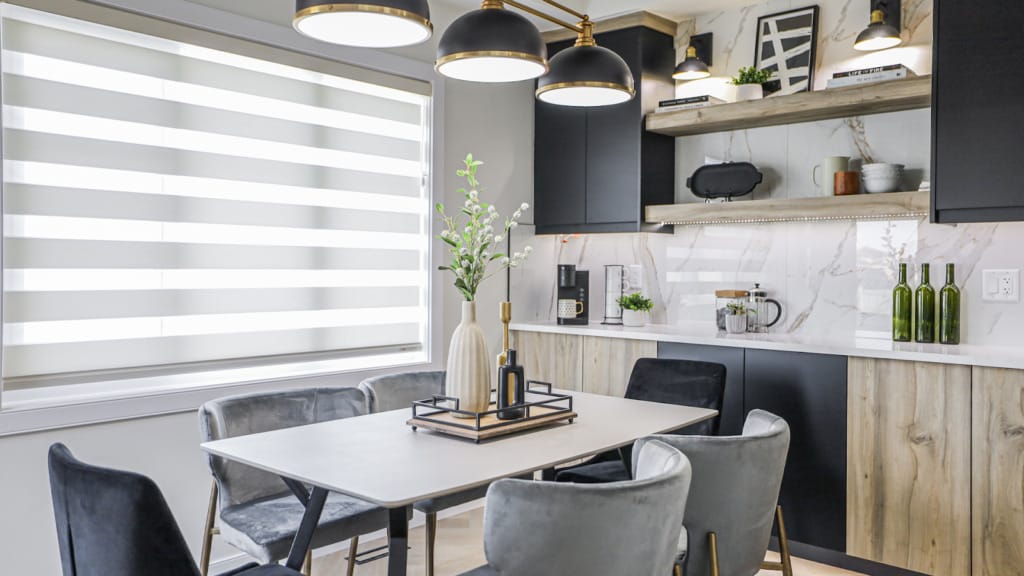
When buyers step through your front door, they’re sizing up your home in ways you might not even expect. They develop a cognitive perception about your space in the first seven seconds, taking in the tiniest details like the scent in the air to the flow of the rooms.
These first impressions shape how buyers feel about your home and whether they can picture themselves living there. Even if an imperfection feels minor to you, like a slightly scuffed baseboard or a dimly lit entryway, it can raise doubts in the buyer’s mind.
In this blog, we’re walking through exactly what buyers notice first when they tour a home, and more importantly, what sellers can do to nail the home buyer’s first impressions. We’ll break down the small details that create a “welcome home” feeling, so you have the tools you need to make sure your home leaves anyone impressed the moment they step in.
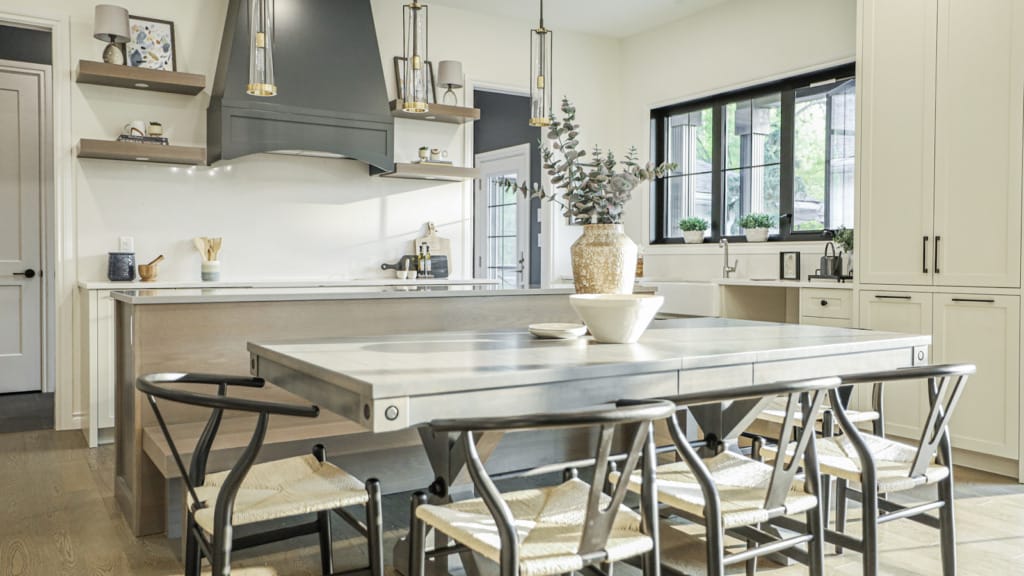
The “7-Second Rule”: Why First Impressions Are Permanent
They say it takes just seven seconds for a home buyer’s first impression to form, and in many ways, it’s true.
Imagine a buyer stepping through your door: in those first moments, their brain is scanning for the overall ‘feel’ of the home. Even before they notice square footage or the number of bedrooms, their emotional response is already in motion.
A warmly lit room, a welcoming entryway, or a small touch of thoughtful decor can spark instant excitement.
On the other hand, a cluttered corner, a flickering light, or worn-out flooring can create hesitation, even if the home is objectively beautiful.
It’s fascinating because buying a home isn’t purely logical. It’s emotional first, logical second. Sellers who understand this “7-second rule” can make intentional choices that trigger positive emotions right away, leaving a great impression on buyers.
The Psychology of Buying: Logic vs. Emotion
Here’s a simple way to see how a buyer’s brain works during a home tour:
| Buyer Reaction Stage | What Happens | Example in a Home Showing |
| Emotion First | Instant, subconscious feelings about comfort, appeal, and mood | A bright, airy living room makes them imagine cozy evenings. A dark, cramped hallway triggers unease |
| Logic Second | Rational evaluation comes after emotional impression | They start checking closet space, appliance condition, and flooring quality, but their willingness to overlook minor flaws depends on the emotional connection |
| Final Decision | Emotional reaction heavily influences the logical decision | Even if the price is right and the home meets specs, buyers may hesitate if the space didn’t feel welcoming in those first moments |
Buyers feel before they think. What your home communicates emotionally can make all the difference between a casual walkthrough and a serious offer.
The Approach: It Starts Before They Open the Door
Even before a buyer reaches for the doorknob, your home is already telling a story through its overall condition. Maintaining every corner and detail with care allows you to effectively stage a home for sale before any buyer comes in.
Curb Appeal Basics (Lawn, Mailbox, and House Numbers)
Here are some entryway decor ideas:
- Lawn and landscaping: Keep grass freshly mowed and flowerbeds weed-free. Adding seasonal potted plants or small garden features near the entrance.
- Mailbox: Make sure it’s upright, clean, and in good condition. A unique or stylish mailbox can make your home memorable.
- House numbers: Clear, visible numbers add polish and make the home easier to find. Consider stylish metal numbers that contrast with your home’s exterior.
- Walkway: Sweep or power-wash paths, and line them with solar lights or small plants for a welcoming glow.
- Subtle accents: Decorative rocks, neatly arranged greenery, or small garden ornaments convey add some personality without cluttering the space.
The Front Door Condition: Paint, Hardware, and Cleanliness
- Fresh paint: A bold, contrasting color like deep navy, black, or red immediately draws the eye and makes the entrance feel intentional.
- Hardware upgrades: Polished doorknobs, knockers, and hinges show attention to detail. Modern finishes can also add a touch of luxury.
- Cleanliness: Wipe fingerprints, smudges, and cobwebs around the door and frame. Even a sparkling peephole counts.
- Accents and decor: Seasonal wreaths, a stylish welcome mat, or potted greenery flanking the exterior door can make it feel inviting while staying tidy.
- Lighting and functionality: Ensure the doorbell works and exterior lighting is bright and aesthetic, highlighting your home’s best features.
The Sensory Experience: What They Smell and Feel
When buyers walk into a home, their senses are on high alert. Subtle cues like lingering odors, stuffy air, or a room that feels chilly can drastically affect their emotional response.
It’s not just about cleanliness but curating a space that immediately feels fresh and airy. There are a number of ways to achieve that, but controlling bad smells and ensuring good lighting are one of the easiest ways to add a comfortable vibe to your home.
The “Nose Blind” Test: Eliminating Pet and Cooking Odors
Even if you live in the house every day, you might not notice lingering smells. This is called being “nose blind.”
Buyers, however, are very sensitive to the smell of a house. That said, here are practical ways to tackle bad odors:
- Deep clean carpets and upholstery: Pet dander and cooking smells can linger in fabrics. A professional steam clean or a high-quality home carpet cleaner can refresh these surfaces.
- Ventilation: Open windows or use exhaust fans to circulate fresh air before showings. Even leaving a window slightly open can help.
- Neutral, subtle scents: Instead of overpowering air fresheners, try natural options like baking cookies or bread before a showing, or a subtle diffuser with vanilla or citrus essential oils.
- Pet containment: Keep pets out of sight and odor-prone areas clean. Litter boxes or cages should be spotless and preferably out of the main walkthrough path.
- Kitchen cleanup: Wipe counters, empty trash, and clean appliances that retain odors, like microwaves, ovens, or dishwashers.
Lighting and Temperature: Is it Welcoming or Cave-like?
Lighting and temperature can dramatically affect how a space feels and even subconsciously affect how big or small your home looks.
A bright, evenly lit room immediately feels open and spacious, while dim corners or inconsistent lighting can make a space feel cramped or neglected.
For example, buyers may love the living room, but if a lamp is out or curtains block natural light, the space feels smaller than it really is.
Temperature also matters. A room that’s too cold or drafty can make buyers want to rush through, while a comfortably warm or cool home encourages lingering and imagining themselves living there.
We recommend simple tweaks like turning on all lights, opening blinds, and adjusting the thermostat to a pleasant temperature before showings.
Even small details, like using warm bulbs in living spaces or cool lighting in kitchens and bathrooms, can make the home feel pleasant.
Curious about which rooms to stage first before a showing? Read here to know more!
The Visual Scan: Clutter, Flow, and Space
When buyers walk through your home, their eyes are constantly scanning for how the space works. Clutter, poor flow, or awkward furniture placement can make even a beautiful home feel poorly maintained. Here are some tips to counter that:
- Remove excess furniture, toys, or piles of mail that block movement.
- Keep counters, tables, and shelves tidy. Remember, less is more!
- Make sure hallways and main paths are clear and easy to navigate.
- Arrange furniture in a space-effective way so rooms feel spacious but still cozy.
- Open closets slightly or clear pantry areas to show usable space without overcrowding.
The Entryway Landing Zone (Shoes, Coats, and Mail)
Buyers notice the entryway immediately, and clutter here can set a negative tone. Here’s a simple way to think about it:
| Item | How to Stage | Why it Matters |
| Shoes | Store in a closed rack or basket | Keeps floor clear and looks organized |
| Coats | Use a neat coat rack or hooks | Avoids visual clutter and tangles |
| Mail & Keys | Sort daily, use a small tray | Shows attention to detail and care |
| Bags & Umbrellas | Keep in a corner or small bin | Prevents entryway from feeling chaotic |
Sightlines: Can They See the “Heart” of the Home?
Sightlines are all about what buyers see when they step into a room. Can they immediately spot the living room, kitchen, dining area, or other key parts of your home? Clear sightlines help buyers mentally “walk through” the home without obstacles, and they make rooms feel larger and more inviting.
Even small visual barriers, like a tall plant blocking a hallway or a bulky chair in the middle of a room, can create a sense of disconnect. Simple touches like opening doors between rooms, pushing furniture slightly back from walkways, and keeping decor minimal can make a big difference in the overall impression.
The Maintenance Signals: Small Flaws That Scream “Neglect”
Even if your home is otherwise perfect, small signs of wear and tear can make your home look questionable to buyers. Knowing what to watch out for can help you avoid this deal-breaker.
Scuffed Baseboards and Dirty Switch Plates
Have you ever walked into a room and your eyes just seem to drift toward the edges? Buyers do the same thing, without even realizing it, they notice scuffed baseboards, chipped paint, or switch plates smudged with fingerprints.
The good news? Fixing them is easy. A quick wipe with a mild cleaner can make switch plates look brand-new, and a touch-up with matching paint on baseboards can transform the whole room’s feel. Think of it as giving your home a little makeover.
The Condition of the Floors (Carpets and Hardwood)
When it comes to floors and carpets, there are a couple of things to look out for. These include:
- Carpets: Are there stains or lingering smells? A professional steam clean can make them look and feel fresh.
- Hardwood: Is the floor full of scratches or dull areas? A quick polish or spot refinishing brings back shine.
- Transitions & thresholds: Uneven edges or chipped corners? Smooth them out to make rooms feel seamless.
- Rugs & mats: Dirty or mismatched? Clean and coordinate them to complement the space.
- Noise & creaks: Boards that squeak? Tighten or add felt pads under furniture to make walking feel solid and smooth.
Conclusion: Creating a “Welcome Home” Feeling
When it comes to selling your home, every little detail influences the home buyer’s first impression. By taking the time to make your space more presentable and move-in ready, you’re not just cleaning a house but creating a space where buyers can imagine themselves living, laughing, and making memories.
Here’s a pre-showing checklist you can refer to anytime for staging your home effectively:
| Area | What to Check | Quick Tip |
| Curb Appeal | Lawn, flowerbeds, mailbox, house numbers | Add seasonal plants or a decorative mailbox for charm |
| Front Door | Paint, hardware, cleanliness | Add a fresh coat of paint and polish |
| Entryway | Shoes, coats, mail | Use baskets or racks for organization |
| Lighting & Temperature | Bulbs, windows, thermostat | Ventilate rooms, clean surfaces, use natural scents |
| Smell | Carpets, kitchens, pets | Ensure even lighting and comfortable temperature |
| Clutter & Flow | Furniture placement, surfaces | Clear pathways to make spaces feel open |
| Maintenance | Baseboards, switch plates, floors | Touch up scuffs, wipe switches, and clean or polish floors |
If you’re looking for extra guidance, professional help can make the process even easier. The Staging Place offers home staging services in Edmonton, transforming homes to highlight their best features and create that “wow” factor buyers can’t resist. Contact us today to get started!
Frequently Asked Questions (FAQs)
What is the first thing buyers notice in a house?
Buyers usually notice the scent and lighting as soon as they walk in, while the front door and landscaping set the tone before they even enter.
How can I make my house smell good for selling?
Skip strong air fresheners. Use a gentle, plant-based freshener, light a scented candle, bake cookies, or use a scent diffuser.
Does clutter affect home value?
Yes, clutter can make rooms feel smaller and signal limited storage, which may lower a buyer’s perceived value of your home.
Should I paint my front door before selling?
Yes. A freshly painted front door in a bold color like black, red, or navy is one of the easiest ways to boost curb appeal.
How important is lighting for a house showing?
Very important. Bright, even lighting makes spaces feel larger and cleaner, so open blinds and ensure all bulbs are working and color-matched.