


Buyers rarely walk into a showing with a completely open mind. Most are scanning for reasons to hesitate: the living room feels tight, the dining area looks awkward, the bedroom seems smaller than expected, or the home feels like it needs more work than they planned for.
These reactions may not always be spoken out loud, but they shape how buyers feel about the property within the first few minutes.
Strong staging helps answer buyer objections before they become deal-breakers. It shows how the space can be used, softens the focus on minor flaws, improves the feeling of flow, and helps buyers see the home as something they can step into, not a project they need to figure out.
In this read, we’ll unravel how staging can make showings feel smoother and reduce buyer objections.
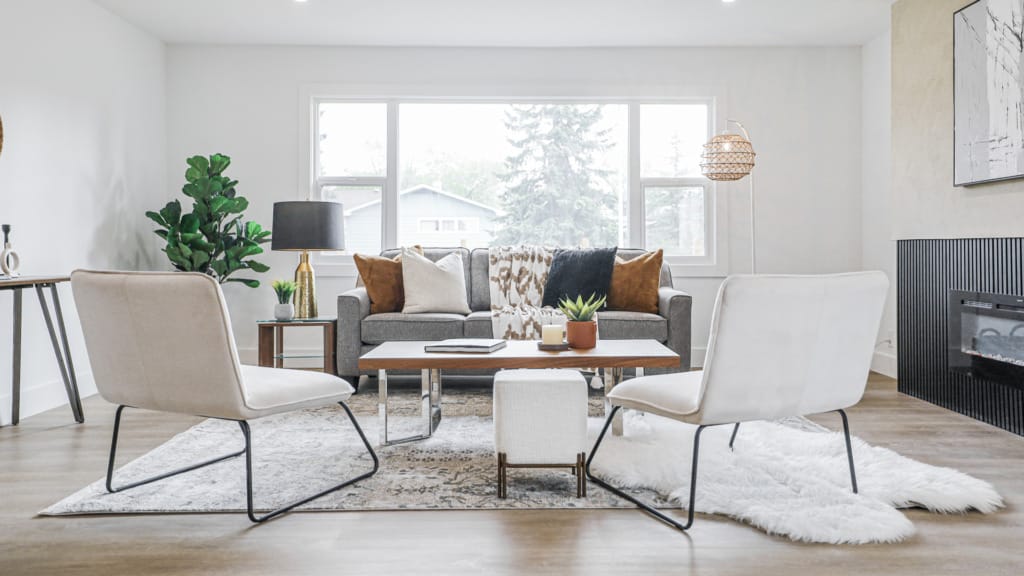
The Psychology of the First Impression
A buyer can like the price, location, and listing photos, then still walk into the home and start talking themselves out of it. That does not always happen because the property is wrong. Sometimes the space simply leaves too many questions unanswered.
Buyers Often Look for the “No” First
During a showing, buyers are quietly testing the home against their daily life. Where would the sofa go? Would the dining table block the walkway? Why does the spare room feel so tight? Is that dated fireplace going to bother them after move-in?
These small doubts can build quickly, especially when buyers have other homes to compare.
What a Buyer Objection Really Means
A buyer objection is often a moment of friction. Something about the home makes the buyer pause instead of picture the next step.
That might be:
- a room that feels smaller than it is
- an empty area with no obvious use
- furniture that makes the layout feel cramped
- a dated feature that pulls too much attention
- a dark corner that makes the home feel less inviting
How Staging Changes the Story
Staging gives buyers fewer reasons to stall. It shows how the rooms work, where furniture can sit, how people can move through the space, and which features deserve attention.
Instead of making buyers solve the home in their heads, staging helps them understand it while they are standing in it.
Also read: What Buyers Assume About a Home Before They Start Evaluating Rooms
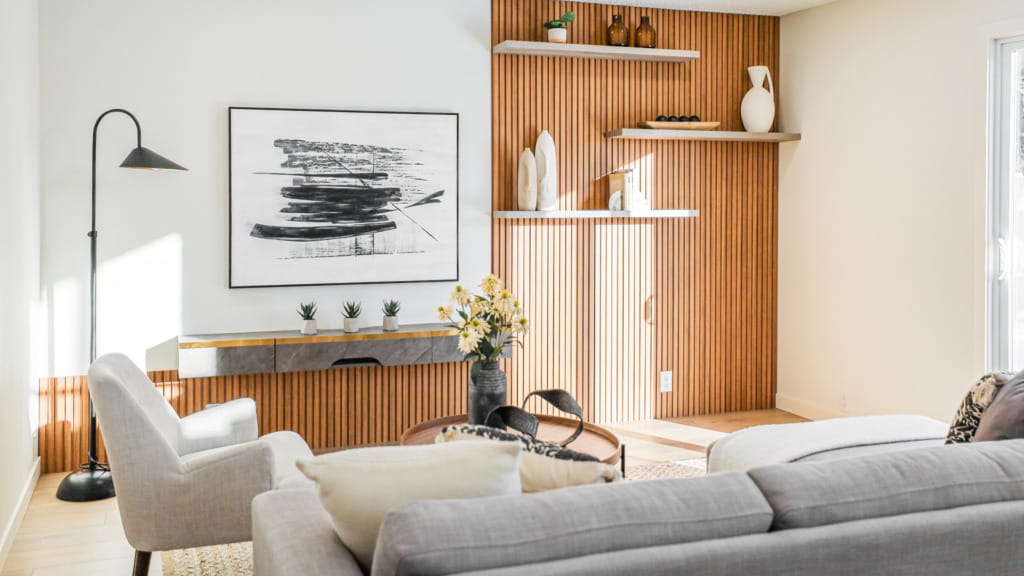
Identifying Common “Deal-Breaker” Objections
Some objections are about the home itself. Others are about how the home is being presented. Staging is especially useful for the second category because it can prevent buyers from misreading a room before they understand it.
- Space and scale: Buyers may assume a bedroom is too small if there is no bed in it, or if the wrong size bed is used. A staged room gives them a more accurate sense of what fits, instead of leaving them to guess from wall-to-wall measurements.
- Furniture placement: A sofa pushed against the wrong wall, a dining table blocking a walkway, or oversized pieces in a tight room can make buyers think the layout is difficult. Often, the issue is not the square footage. It is the arrangement.
- Room purpose: Bonus rooms, dens, finished basements, loft areas, and awkward corners can feel like “extra space with no use.” Buyers are less likely to value square footage when they cannot connect it to a clear function.
- Visible wear: Scuffed walls, tired rugs, dated bedding, heavy curtains, or mismatched decor can make the home feel less maintained. These are not always expensive problems, but they can make buyers mentally lower the value.
- Lighting and mood: A room with closed blinds, weak bulbs, or dark furniture can feel smaller and older than it is. Buyers may not separate the home’s actual condition from the atmosphere they experience during the showing.
The problem is that buyers rarely pause to analyze why they feel unsure. They simply remember the home as “too small,” “awkward,” or “needing work.” Good staging helps stop those labels from sticking.
Also read: Why Some Homes Feel Easy to Say Yes To
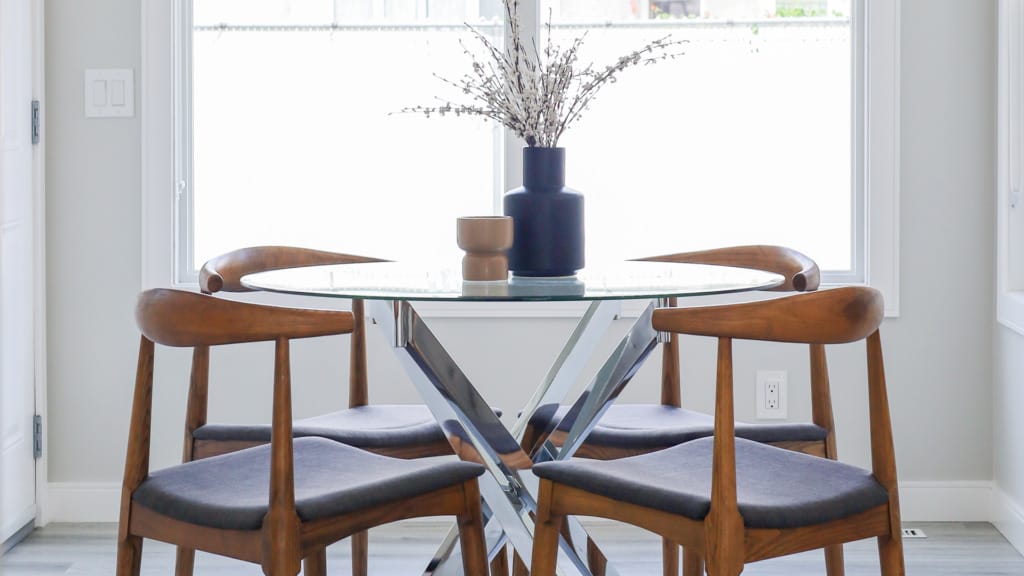
Neutralizing the “Small Space” Myth
Small rooms become a bigger objection when buyers cannot tell what actually fits. Staging helps by giving the room a clear scale instead of leaving buyers to guess.
- Use furniture that matches the room size
A loveseat, slim accent chairs, a round side table, or a smaller bed can show the room’s capacity without crowding it. The point is to prove the space works, not to fill every wall. - Keep walkways obvious
Buyers should be able to move from the doorway to the window, closet, or next room without stepping around furniture. Clear traffic flow makes the space feel easier to live in. - Avoid blocking natural light
Heavy curtains, tall furniture near windows, and dark corners can make a small room feel tighter. Open window treatments and better lamp placement help the room feel lighter. - Use mirrors carefully
A mirror across from a window or near a darker wall can bounce light and add depth. It should feel intentional, not like a trick to make the room look bigger.
This does not make a compact room magically large. It simply helps buyers see it as usable instead of dismissing it as too small.
Giving Every Square Inch a Purpose
Awkward spaces can make buyers question the layout, even when the home has enough square footage. Staging gives those areas a clear role so they do not feel like leftover space.
Small Areas Need a Job
A nook, landing, or basement corner does not need heavy styling. It just needs a functional use:
- window nook → reading corner
- upstairs landing → small desk setup
- basement corner → workout area
- blank wall near entry → drop zone
- spare corner → accent chair and lamp
Flex Rooms Should Feel Useful
A flex room should not feel like a room the seller did not know what to do with. Staging can turn it into a guest room, home office, nursery, hobby space, or media room depending on what makes the most sense for the home and likely buyer.
Open-Concept Spaces Need Boundaries
Open layouts can feel confusing when there is no separation between living, dining, and walking areas. Rugs, furniture placement, lighting, and console tables help define zones without making the space feel closed off.
When every area has a purpose, buyers spend less time questioning the layout and more time understanding how the home could work for them.
Moving from “To-Do List” to “Move-In Ready”
Buyers often overestimate how much work a home needs when the space feels too personal, cluttered, dated, or poorly presented. Staging helps reduce that “mental to-do list” before it turns into a price objection.
| What buyers notice | What they may assume | How staging helps |
| Family photos, personal items, crowded shelves | “This still feels like someone else’s home.” | Depersonalizing makes the space feel cleaner and easier for buyers to picture as their own. |
| Heavy furniture or too many pieces in one room | “This room is small and difficult to use.” | Editing the layout makes the room feel more open and easier to move through. |
| Dated bedding, curtains, rugs, or accessories | “This home needs updating.” | Fresh textiles and simple styling can make the room feel more current without major renovations. |
| A fireplace, large window, or built-in feature getting lost | “There’s nothing special here.” | Furniture placement and lighting can draw attention to the home’s stronger features. |
| Minor wear mixed with clutter or poor lighting | “This place needs too much work.” | Clean styling, better light, and a calmer setup help the home feel more maintained. |
Staging does not replace repairs or hide real problems, but it can stop surface-level issues from making the whole property feel like a project.
Also read: Why You Should Stage Your Home For Showings?
The Digital First Showing: Reducing Objections Pre-Visit
Most buyers see the home online before they ever book a showing. That means the first objection often happens while they are scrolling through listing photos.
If the rooms look empty, dark, crowded, or confusing online, buyers may skip the home before giving it a fair chance. Professional staging helps the listing photos answer questions early: how big the room feels, where furniture fits, how the layout flows, and what kind of lifestyle the home supports.
Staged photos can also attract more serious buyers because the home feels easier to understand from the start. Instead of showing up just to “see what it’s like,” buyers arrive with a clearer sense of the space. That can lead to better-quality showings, fewer layout-based objections, and stronger interest from people who already see the home as a real option.
Conclusion: Staging as Your Silent Negotiator
Staging works in the background during every showing. It helps buyers understand the rooms faster, reduces doubts about space and function, and keeps attention on the home’s strongest features. That matters because objections often show up later as hesitation, weaker interest, or lower offers.
For sellers, the value of staging is not only in making the home look polished. It is in protecting the asking price before negotiation even begins. A home that feels clear, cared for, and move-in ready gives buyers fewer reasons to subtract value in their minds.
That is why professional staging is often easier to justify than the first price reduction. A small investment in presentation can help prevent the home from being judged unfairly, especially when buyers are comparing multiple listings.
If you are preparing to sell in Edmonton, The Staging Place can help you present your home in a way that reduces buyer objections and supports a stronger showing experience.
Frequently Asked Questions
Will staging help if the home already has a poor layout?
Yes. Staging cannot change the layout, but it can make the layout easier to understand. It helps show where furniture fits, how each area can be used, and how buyers can move through the space.
Is it worth staging a home in a seller’s market where houses sell fast?
Yes, because selling fast is not the only goal. Staging can help protect the asking price, improve buyer confidence, and reduce the chance of objections turning into lower offers.
Which rooms are most important to stage to reduce the most objections?
The living room, primary bedroom, kitchen/dining area, and any awkward or undefined spaces are usually the most important. These are the areas where buyers most often judge size, function, and daily livability.
Can staging hide structural issues or property flaws?
No. Staging should not be used to hide serious problems. Its purpose is to improve presentation, reduce distractions, and help buyers see the home clearly.
How does staging compare to the cost of a first price reduction?
Professional staging is often much lower than a typical price reduction. Instead of dropping the price after buyers lose interest, staging helps improve the home’s presentation before objections start affecting offers.