


Even small details like a burnt-out lightbulb, an unpresentable entryway, or a door that sticks slightly may seem insignificant, but buyers notice everything, especially during those first few showings. These minor details quietly shape their perception of how well the home has been maintained, and once doubt creeps in, it becomes much harder to regain momentum.
This is why preparing your home before listing isn’t just about making it look nice but about preventing delays. When small issues add up, they create friction that slows down showings, weakens buyer interest, and can ultimately lead to longer days on the market. With the right pre-listing decisions, you can avoid these setbacks entirely and position your home to attract strong interest from day one.

Why Small Decisions Matter More Than Sellers Think
Buyers don’t evaluate a home one issue at a time. They experience everything all at once – the lighting, layout, condition, smell, and overall feel. When multiple small details feel off, even slightly, buyers begin to hesitate.
And hesitation is where delays begin.
Think about it this way:
- One small flaw = minor concern
- Three small flaws = uncertainty
- Five small flaws = buyers move on
These aren’t dramatic deal-breakers individually. But together, they create micro-friction that quietly slows down buyer interest.
The Snowball Effect of Pre-Listing Mistakes
Small oversights before listing rarely stay small. They tend to snowball into bigger problems once your home hits the market.
Here’s how it often unfolds:
| Small Pre-Listing Decision | What Buyers Notice | What Happens Next |
| Leaving a room unorganized | Rooms feel congested | Buyers lose interest |
| Ignoring minor repairs | Home feels neglected | Buyers question maintenance |
| Poor lighting | Photos look dull | Fewer showings booked |
| Rushing to list | Home feels unfinished | Weak first impressions |
Collectively, pre-listing mistakes create a chain reaction:
Small oversight → weaker first impressions → fewer showings → longer time on market → price reduction
For example:
Leaving scuffed walls or outdated fixtures might seem harmless. But when buyers see multiple signs of neglect, they begin to wonder:
- Has the home been properly maintained?
- Are there hidden issues?
- Will I need to invest more after moving in?
Even if none of those concerns are true, the perception alone can slow down your sale.
And because of this small oversight, buyers may walk away or wait to see if the price drops.
How Delays Kill Listing Momentum
The first 7–14 days on the market are often the most important. This is when your listing gets the most visibility, the most showings, and the strongest buyer interest.
When your home is fully prepared, this early momentum works in your favor:
- More showings
- Stronger interest
- Better offers
- Faster sale
But when small issues are present, the opposite happens. And once a listing loses momentum, it’s difficult to regain.
Buyers begin to notice how long the home has been on the market. They may assume:
- Something is wrong with the property
- The seller may be more flexible on price
- It’s worth waiting before making an offer
All of this starts with small pre-listing decisions that seemed harmless at the time.
Also read: What Successful Home Listings Have in Common
The Most Common Small Decisions That Cause Big Delays
Waiting Too Long to Organize and Stage
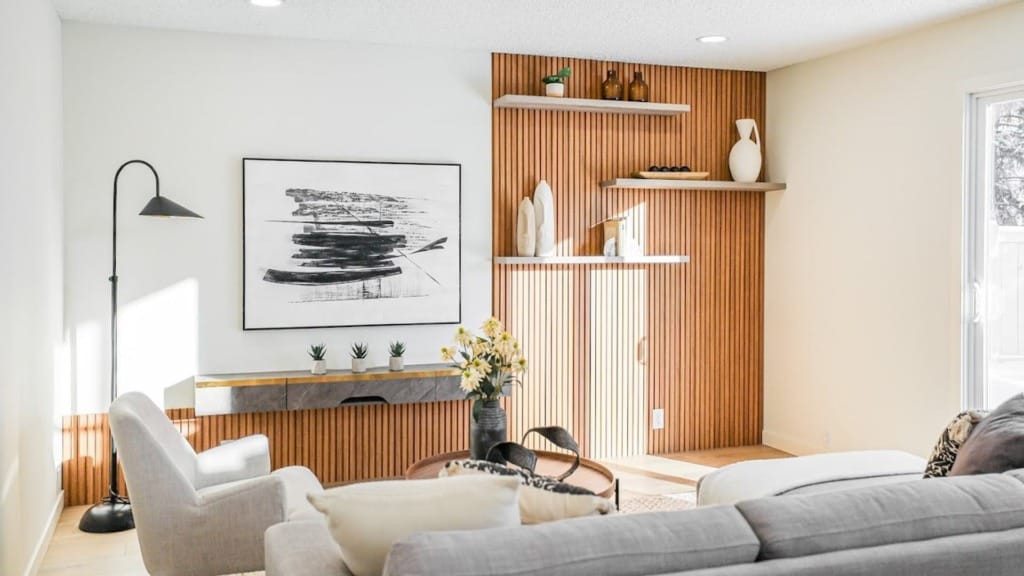
Organizing your home properly and staging it are often treated as finishing touches. In reality, they’re foundational steps that shape how buyers experience your home from the very first photo.
When sellers wait too long to organize or stage:
- Listing photos feel crowded
- Rooms appear smaller than they are
- Layout and flow become harder to understand
- Buyers struggle to picture themselves in the space
Even small things can create friction. For example, extra chairs around a dining table, bulky furniture blocking walkways and personal items in every room.
Staging before listing ensures your home is presented at its best from day one, rather than trying to improve things after interest has already slowed.
Skipping a Pre-Listing Consultation to “Save Time”
It’s common for sellers to think they can handle preparation on their own. After all, you know your home better than anyone, right?
The challenge is that sellers often become blind to small issues over time:
- That dim hallway feels normal to you
- The worn rug blends into the space
- The crowded entryway doesn’t seem noticeable
But to buyers, these details stand out immediately. A pre-listing consultation helps identify small visual distractions, layout improvements, high-impact updates and quick fixes that improve buyer perception
Skipping this step might save a few days upfront but it can cost weeks on the market later.
Ignoring Minor Repairs That Buyers Notice Instantly
Minor repairs are one of the most common pre-listing decisions sellers postpone. Buyers tend to notice things like loose cabinet handles, sticky doors, dripping faucets, scuffed walls, and squeaky hinges
Individually, these don’t seem serious. But collectively, they send a subtle message: this home may not have been well maintained.
And once that thought enters a buyer’s mind, they often begin looking for more problems, even if none exist.
Poor Lighting and Presentation in Listing Photos
Before buyers ever step inside, they see your home online. And lighting plays a major role in how appealing those photos feel.
Common lighting mistakes include:
- Burnt-out bulbs
- Mixed color temperatures (yellow and white lights)
- Dark hallways or corners
- Closed blinds blocking natural light
These details can make your house feel smaller, darker, and less inviting. This leads to fewer clicks and showings.
A simple lighting adjustment with brighter bulbs, open curtains and balanced lighting can make a big difference. Because when photos create a strong first impression, buyers are far more likely to book a showing.
Also read: What Kind of Light Bulbs Make a Room Look Best for Photos?
Rushing the Listing Before the House Is Truly Ready
One of the biggest small decisions that causes delays is listing too soon. Sellers sometimes rush to market because they want to move quickly or they believe they can fix things later.
But listing before your home is fully ready often leads to incomplete presentation and weaker first impressions. If buyers see:
- unfinished spaces
- mismatched rooms
- minor issues that weren’t addressed
They may decide to wait or move on entirely. This is why preparation before listing is so important. A few extra days of thoughtful planning can prevent weeks of delays later.
Because in real estate, how you start often determines how quickly you sell.
What Happens When You Get These Decisions Wrong
Fewer Showings in the First Critical Week
The first week after listing is prime time. Buyers are most active, agents prioritize new listings, and your home’s momentum builds.
When small pre-listing issues exist, the impact is immediate:
- Listings receive fewer showings than similar homes on the market
- Buyers who do schedule showings may leave with hesitation
- Early offers, often the strongest, never materialize
For example: a poorly organized or dimly lit space may discourage buyers from committing to a visit. Even one avoided showing can create a ripple effect of lost opportunities, because the pool of interested buyers shrinks quickly.
Buyer Hesitation and Negative First Impressions
First impressions aren’t just visual. They’re psychological. Minor irritations can trigger subconscious doubt:
- Sticky doors or creaking floors → buyers wonder about maintenance issues
- Odd smells or dark corners → buyers question cleanliness or safety
- Outdated décor or designs → buyers imagine renovation costs
This hesitation leads to:
- Slower decision-making
- Fewer competing offers
- Reduced leverage in negotiations
A buyer who hesitates is a buyer who might walk away completely, even if the home is fundamentally sound.
Listings That Go “Stale” & Inevitable Price Reductions
If momentum is lost early, the listing begins to stagnate. Once a home sits on the market longer than expected:
- It appears less desirable to new buyers
- Agents may prioritize fresher listings for showings
- Sellers often feel pressured to lower the asking price to attract interest
This is the ultimate snowball effect: what started as small pre-listing oversights now translates into tangible financial consequences.
The Smart Pre-Listing Strategy
Start with a Staging Consultation, Not a Guess
Many sellers underestimate the value of a pre-listing staging consultation. It’s not just about aesthetics but identifying hidden friction points that buyers notice immediately.
A staging professional can help you:
- Pinpoint minor repairs and visual distractions
- Optimize furniture placement for flow and space perception
- Suggest lighting adjustments to enhance rooms
- Highlight high-impact updates that improve first impressions
For instance, a professional might notice that a small dark hallway feels quite dark. By adding a brighter bulb and adjusting furniture placement, the space feels open and welcoming instantly.
Investing time in a consultation upfront often saves weeks of delays later. Because a well-prepared home attracts buyers quickly, you maintain momentum from day one.
Focus on High-Impact, Low-Cost Improvements
You don’t need a full renovation to make a home sell faster. Strategic, low-cost updates can create significant buyer appeal:
- Fresh coat of paint on walls or trim
- Replacing outdated cabinet handles or faucets
- Repairing small scratches, dents, or squeaky doors
- Adding simple touches like area rugs or accent lighting
These improvements might only cost a few hundred dollars but they prevent thousands in potential price reductions down the line.
Prepare Your Home for Photography and Showings Simultaneously
High-quality listing photos and smooth showings are the backbone of a fast sale. Preparation for both should happen at the same time, not separately:
- Keep spaces organized and staged, even for casual showings
- Ensure lighting is balanced for photos and walk-throughs
- Address minor repairs before photographers arrive
- Create a clean, inviting entryway for first impressions
This dual approach ensures your online listing and in-person experience are consistent, which builds buyer confidence.
Because buyers often decide within seconds whether a home feels move-in ready, this level of preparation prevents hesitation and keeps your listing competitive.
Also read: How to Stage Homes for Open Houses
Final Takeaway
Selling your home doesn’t have to be a game of chance. The decisions you make before your listing goes live often determine how fast or how slowly it sells.
The homes that sell fastest aren’t the ones with the highest price tags or the biggest renovations. They’re the ones that were thoughtfully prepared from the very start. This early momentum keeps interest high, encourages multiple offers, and shortens time on market.
Before you put your home on the market, don’t leave these critical pre-listing decisions to chance. The Staging Place can help you identify hidden friction points, optimize your home’s presentation, and ensure that your listing hits the market fully prepared.
A staging consultation with us can save you weeks of delays and potentially thousands in price reductions because every small decision matters when it comes to selling your home fast.