


Walk into two different homes, and you’ll often notice something interesting. One feels instantly welcoming, comfortable, and easy to imagine living in. The other might check all the same boxes on paper, yet something just doesn’t click. That’s where home buying psychology comes into play.
It’s simple. Buying a home isn’t purely a logical decision but deeply emotional. From the moment buyers step through the front door, their minds begin forming impressions that shape their home buying decisions, often within just a few minutes.
When sellers and real estate professionals understand these influences, they can create spaces that feel inviting, memorable, and ultimately easier for buyers to choose. Let’s understand home buying psychology in depth and how you can leverage it to attract higher offers.
Introduction to Home Buying Psychology
What Is Home Buying Psychology?
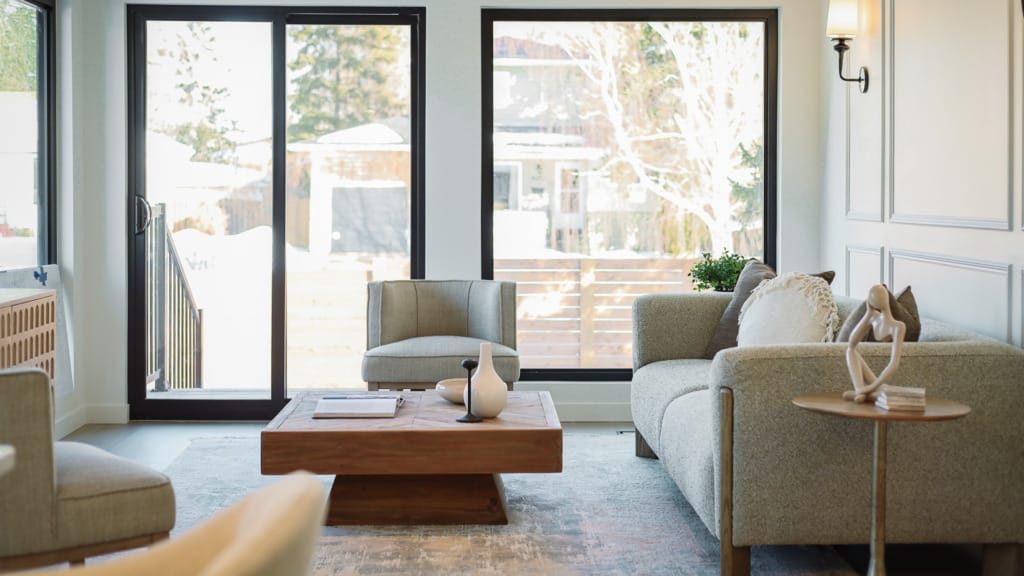
Home buying psychology refers to the mental and emotional factors that influence how buyers perceive and evaluate a property. While buyers often believe they are making purely rational choices, their decisions are usually shaped by a combination of emotions, perceptions, and subtle environmental cues. Everything from lighting and layout to cleanliness and comfort plays a role in how a home is experienced.
For example, a clean, tidy house with tasteful decor will impress buyers more than a poorly lit one, even if the latter is larger, newer and located in a better neighborhood. These reactions happen on a subconscious level, influencing whether buyers choose to move ahead with your listing or look elsewhere.
Why First Impressions Matter in Real Estate
Within the first few moments of entering a home, buyers often begin forming opinions about the entire property. As a realtor or seller, your goal is to ensure you get the first impression right, so buyers feel motivated to explore the rest of the home with a positive mindset.
Several factors contribute to a strong first impression:
- Clean and well-organized spaces that feel open and easy to navigate
- Natural light that creates a bright atmosphere without overdoing it
- Neutral yet sophisticated interiors that appeal to a wide range of buyers
On the other hand, if something feels off at the start, it can create doubt that carries throughout the entire viewing.
Also read: Top 10 Trendy Interior Design Ideas for Decorating Your Home in 2025
The Emotional Side of Home Buying
Subtle feelings such as comfort, excitement, safety, or even nostalgia can have a bigger impact than any logical feature. Here’s a table breaking down some common emotional responses and what triggers them:
| Emotional Response | Trigger in the Home | How It Affects Decisions |
| Comfort | Warm lighting, cozy seating areas, soft textures | Buyers feel at ease |
| Excitement | Unique features, open layouts, stylish decor | Creates anticipation and makes the home memorable |
| Safety | Well-maintained exterior, secure doors/windows | Builds trust and reduces hesitation |
| Belonging | Neutral yet inviting spaces, hints of personalization | Helps buyers visualize themselves living there |
| Desire | Aspirational touches like a chef’s kitchen or spa-like bathroom | Increases emotional attachment and urgency to buy |
The “Gut Feeling” Factor Explained
A “gut feeling” is that immediate sense of yes or no that buyers experience when entering a home, and it can be decisive. For instance, if a buyer walks into a house and is hit with a musty, moldy smell, damp walls, or peeling paint, that single impression can completely turn them off.
No matter how perfect the layout, location, or price may be, most buyers will not even consider purchasing a home with these issues. Negative cues can outweigh every other positive feature, often ending interest before a buyer even fully explores the property.
Also read: What Buyers Notice First When They Walk Through Your Home
Sensory Influence in Home Buying
Small sensory details create an emotional backdrop that either draws buyers in or pushes them away. Here’s how different senses play a role:
- Lighting Affects Mood and Decisions
Daylight can make a house feel more spacious. Even well-placed artificial lighting can make rooms feel cozy or highlight key features. Dark, poorly lit spaces, on the other hand, can feel cramped. - The Impact of Scents and Sounds
Pleasant scents like fresh flowers, clean linens, or subtle vanilla can make a home feel cared for and inviting. Background sounds also matter: soft music can create a relaxed vibe, while loud or jarring noises can be distracting. - Temperature and Comfort Levels
A home that’s too cold, too hot, or stuffy can make buyers uncomfortable and impatient. Comfortable temperature and airflow make it easier for them to focus on the home itself and imagine living there, rather than being distracted by discomfort.
The Role of Staging in Buyer Psychology
Staging a home smartly all comes down to making it feel inviting yet flexible. Spaces should hint at personality without dominating the room, and layouts should make it easy for buyers to move around and visualize their routines. Here’s a simple breakdown of staging choices and their impact on home buyer psychology:
| Staging Choice | Buyer Reaction | Effect on Decision |
| Minimal, functional furniture | Comfortable and open | Buyers can picture their own belongings |
| Plants, accent lights simple decor | Engaged and inspired | Highlights the home’s best features without distraction |
| Excessive personalization | Hesitant or disconnected | Harder for buyers to see themselves living there |
| Overcrowded rooms | Overwhelmed | Creates stress, reducing emotional attachment |
Even subtle details like the angle of a sofa, a well-placed plant, or a clear countertop can influence the seller’s emotions.
Not sure if your home is market-ready? Read here to find out.
Perceived Value and Pricing Psychology
Price isn’t just a number. It sets the tone for how buyers feel about a home.
- First impressions matter: Buyers anchor to the first price they see. Too high, and they hesitate; fair and reasonable, and confidence grows.
- Comparisons influence perception: Nearby listings, past sales, or previous homes act as reference points.
- Urgency can drive decisions: Multiple interested buyers or “move-in ready” cues push buyers to act sooner.
When pricing is set thoughtfully, it communicates value and the emotional comfort buyers need to take the next step.
Also read: What Buyers Assume About a Home Before They Start Evaluating Rooms
The Role of Lifestyle Visualization
Buyers aren’t just buying walls and a roof, but a way of life. The easier it is for them to imagine their daily routines in a home, the stronger the emotional connection.
Here are some concrete ways to help buyers visualize living in a space:
- Set the table: Even a simple breakfast or dinner setting makes the dining area feel functional and inviting.
- Create a cozy reading or relaxation nook: A chair with a throw blanket and a small side table instantly signals comfort.
- Showcase hobby or lifestyle areas: A neatly arranged craft table, home gym corner, or work-from-home desk helps buyers picture themselves using the space.
- Highlight outdoor living: Stage patios or balconies with a small table, chairs, or potted plants to suggest relaxing or entertaining outdoors.
- Use subtle props for activity cues: Coffee mugs, magazines, or a yoga mat hint at everyday life without cluttering the space.
- Demonstrate storage solutions: Open cabinets or closets with neatly organized items show functionality and ease of living.
- Seasonal touches: Light throws in winter, fresh flowers in spring. Small seasonal cues make the home feel lived-in and relatable.
Move-in ready cues also strengthen visualization. Fresh paint, polished floors, repaired fixtures, and functional appliances help buyers feel the home is ready for them immediately.
Want to learn more about why home design makes a difference in staging? Read here!
Common mistakes that break buyer connection:
- Overpersonalization (family photos, bold art) prevents buyers from imagining themselves in the home.
- Poor lighting or awkward layouts make spaces feel unwelcoming.
- Ignoring minor repairs or maintenance issues distracts buyers and signals neglect.
By combining practical staging, subtle props, and move-in ready presentation, sellers can transform a house from “just a property” into a home buyers can see themselves living in, making it much easier for them to say yes.
Final Thoughts: Turning Interest Into a Confident Yes
The key to selling a home quickly and confidently lies in combining emotional and practical appeal. Buyers make decisions based on how a home makes them feel, but they also look for functional spaces, move-in readiness, and a sense of value. When buyers feel at home and confident about the property, they’re far more likely to move from interest to a definite yes.
If you’re looking for professional staging services in Edmonton to make your home feel not just easier to say yes to, but irresistible to buyers, The Staging Place is here to help. Call us today and let us provide you with a customized home staging plan that will get you top dollar for your listing with minimal effort from your end.
FAQs
What is home buying psychology and why does it matter?
Home buying psychology is the study of how emotions, perceptions, and subconscious cues influence buyers’ decisions. Understanding it helps sellers and agents create environments that connect with buyers emotionally, increasing the likelihood of a sale.
How can I make my home more appealing to buyers?
Focus on comfortable layouts, proper lighting, subtle sensory cues, and lifestyle visualization. Small adjustments can create a big emotional impact.
Do staged homes really sell faster?
Yes. Staged homes help buyers imagine themselves living in the space, highlighting the home’s best features and creating an emotional connection that often speeds up decision-making.
What are the biggest psychological turn-offs for buyers?
Overpersonalization, poor lighting, congested layouts, and neglected minor repairs are all major turn-offs that break buyer connection.
How important is curb appeal in selling a home?
Curb appeal sets the very first impression. A tidy, welcoming exterior, well-kept landscaping, and clear entryway signals that the home is cared for and ready to welcome buyers inside.