

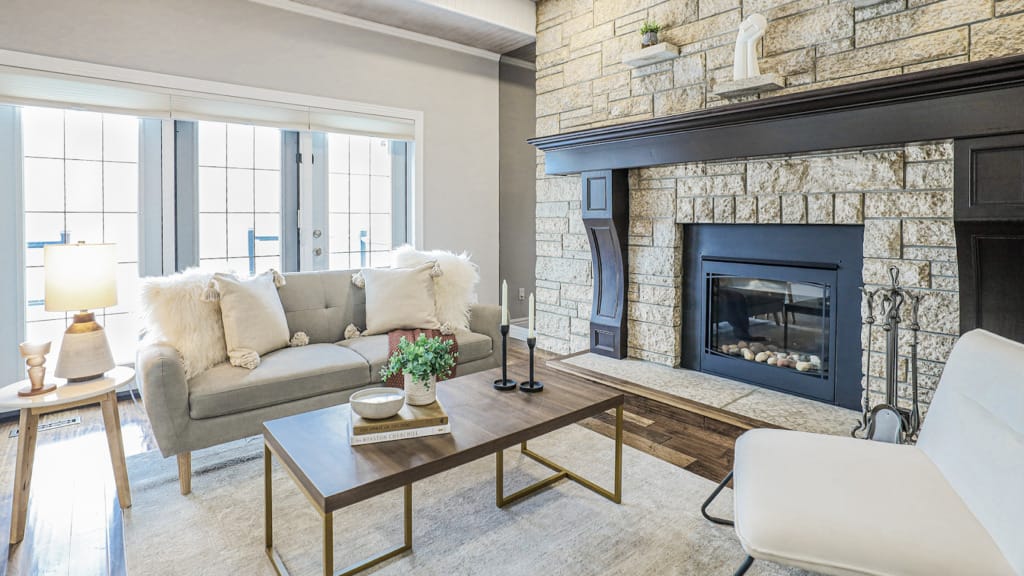
Many homeowners assume their property is ready because it looks “good enough” for everyday living. But buyers aren’t evaluating your home as guests; they’re comparing it against dozens of competing listings, professional photos, and carefully prepared properties.
The difference between simply listed and truly market-ready often determines whether your home attracts strong offers quickly or sits waiting while interest fades. Being market-ready means your home attracts buyers the moment they discover it, whether online, at the curb or during showings.
If you’re wondering, “Is my house market ready?” then you’ve come to the right place, because in this guide, we’ll walk through how to honestly evaluate your home before launch, from repairs and staging to pricing strategy and timing, so you can enter the market confidently instead of guessing whether you missed something important.
Introduction: The Difference Between “Listed” and “Market-Ready”
A home becomes “listed” the moment paperwork is signed and photos go live online. But being “market-ready” is something entirely different. A listed home simply exists on the market; a market-ready home is prepared to compete.
Think of it this way: listing is an administrative step, while market readiness is a strategic one. One puts your home online, while the other positions it to attract attention, confidence, and strong offers from serious buyers.
When a home is only listed, buyers may notice incomplete repairs, inconsistent presentation, or pricing that doesn’t align with nearby sales. A market-ready home, on the other hand, shows thoughtful preparation and realistic expectations. In fact, many of the characteristics that successful home listings have in common begin long before the listing goes live.
Why Launching Too Early Can Cost You Thousands
Going live before your home is truly ready often backfires in ways sellers don’t anticipate.
- Buyers form price expectations instantly, and visible unfinished work gives them leverage to negotiate downward.
- The strongest buyers usually shop for new listings first. If your home isn’t polished yet, you miss your best opportunity window.
- Multiple price reductions signal desperation rather than strategy.
- A home that lingers on the market can appear “problematic,” even when nothing major is wrong.
- Fixing issues after listing rarely restores the excitement you could have created at launch.
This is exactly why following a solid pre-listing checklist for selling your home can make such a difference before launch day.
The 3 Pillars of Readiness: Condition, Presentation, and Price
A home becomes market-ready when these three areas align:
- Condition: Major systems work properly, repairs are completed, and buyers don’t mentally add unexpected future costs.
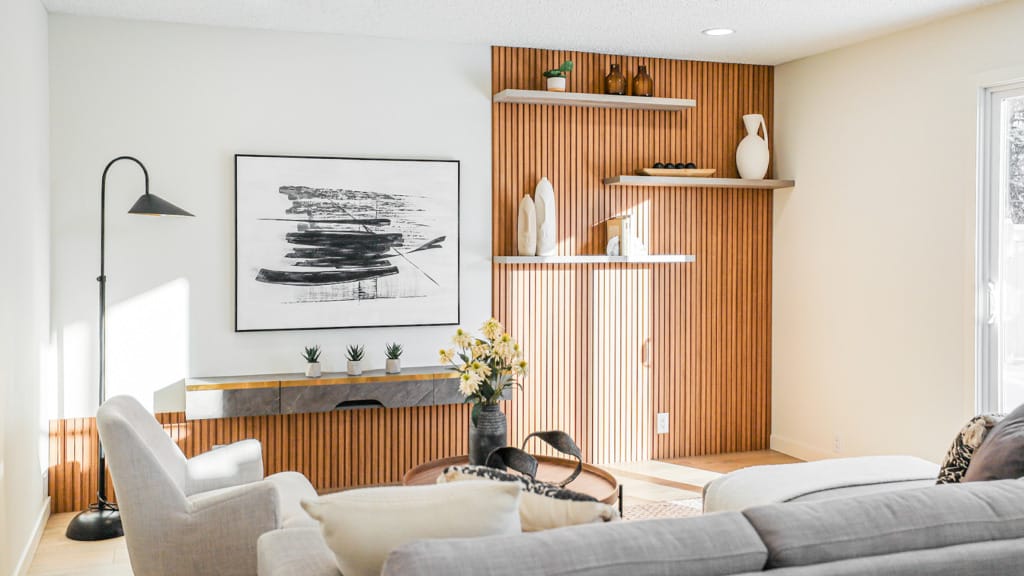
- Presentation: The home looks move-in ready and decluttered, prepared for showings and professional photography.
- Price: The asking price reflects real market data, recent comparable sales, and buyer expectations rather than personal attachment.
Pillar 1: The Physical “Bones” Audit
The “Deal-Breaker” Check: Roof, HVAC, and Foundation
Before buyers notice décor or layout, they subconsciously evaluate whether the home feels structurally reliable. These core systems shape buyer confidence because they represent the most expensive potential repairs. Neglecting their maintenance is one of the biggest mistakes when selling a home.
| System Checked | What Buyers Assume |
| Roof | Visible wear suggests upcoming replacement costs and future leaks. |
| HVAC System | Older or poorly maintained units signal higher utility bills and immediate upgrades. |
| Foundation | Cracks, uneven floors, or sticking doors raise concerns about structural stability. |
| Plumbing Systems | Slow drainage or water stains hint at hidden water damage. |
| Electrical Systems | Outdated panels or exposed wiring suggest safety risks and renovation expenses. |
If you’re debating whether to fix or update certain areas before listing, it helps to understand which renovations give a return on your investment and which ones may not be worth the cost.
The “Honey-Do” List: Why Small Repairs Signal Big Problems
Small unfinished tasks don’t stay “small” in a buyer’s mind. They become warning signs. For instance:
- A dripping faucet makes buyers wonder what maintenance was ignored behind the walls.
- Loose cabinet handles suggest rushed upkeep rather than pride of ownership.
- Burnt-out bulbs create the impression that routine care isn’t a priority.
- Minor wall dents or chipped paint make buyers mentally stack future repair costs.
- Squeaky doors or sticking windows quietly communicate aging systems needing attention.
Have You Completed a Pre-Listing Inspection?
A pre-listing home inspection flips the traditional selling process in your favor. Instead of waiting for buyers to uncover problems during negotiations, you identify concerns early and decide how to address them on your own terms.
This step often prevents last-minute price reductions or contract delays altogether. As a bonus point, sellers who complete inspections beforehand appear transparent and prepared – two qualities that instantly strengthen buyer trust and help a home feel truly market-ready.
For homeowners considering updates before listing, pre-reno consultations can also help you decide what improvements are actually worth making before the home hits the market.
Pillar 2: The Presentation & Staging Test
The “Depersonalization” Standard: Are You Still Living Here?
Buyers need to imagine themselves living in your home, but personal items make that hard. Family photos, kids’ artwork, and memorabilia subconsciously tell buyers, “This is someone else’s space,” which creates a mental barrier to emotional attachment.
Home staging psychology shows that depersonalized spaces feel larger, neutral, and easier to envision as their own.
Depersonalizing your home doesn’t mean stripping it of warmth; it’s about balance. Simple accessories, and tidy surfaces let buyers focus on the space, flow, and potential. It’s one of the simplest ways to make your home feel like a blank canvas for home buyers.
The “Lens” Test: Is Your Home Ready for HD Photography?
Before you schedule showings, ask yourself: does your home look as good online as it does in person? Here are key areas to focus on for professional-quality photos:
- Remove clutter from countertops, tables, and shelves.
- Open blinds to maximize natural light and balance shadows.
- Ensure furniture placement showcases flow and usable space.
- Stage key rooms (living room, kitchen, master bedroom) to highlight strengths.
- Double-check small details: matching curtains, polished floors, and fresh linens.
Curb Appeal: Does the Driveway Invite People In?
Curb appeal sets the first tone for buyers before they even step inside. Here’s a practical snapshot of what to check before listing:
| Exterior Element | What Buyers Expect? |
| Driveways and walkways | Clean, crack-free surfaces that signal upkeep and safety. |
| Front door and entry | Fresh paint and polished hardware that suggest attention to detail. |
| Landscaping | Trimmed lawns and tidy gardens create an inviting first impression. |
| Exterior lighting | Well-lit entrances communicate security and comfort. |
| Porch & windows | Clean windows and swept porches reinforce the idea of a cared-for home. |
Pillar 3: The Pricing & Market Position Check
Have You Analyzed Recent “Sold” Comps (Not Just “Listed”)?
Pricing your home based on active listings alone is a common mistake that can cost both time and money. Buyers compare your property to what has actually sold recently, not what’s sitting on the market.
A home that’s listed higher than similar sold properties can create doubt in buyers’ minds about value and condition. It’s important to understand the nuances of recent sales, such as upgrades, square footage, location, and final sale price, so you can price your home based on a realistic benchmark.
When your home’s price aligns with market realities, buyers feel confident making offers quickly rather than waiting for a price reduction.
Is Your Agent’s Marketing Strategy Ready to Launch?
A strong marketing plan is the difference between a listing that sits and one that sells fast. Your agent should have a clear roadmap: professional photography, listing syndication, virtual tours, open houses, and social media promotion.
Each component works together to maximize exposure and reach motivated buyers. When buyers see a polished listing with clear photos, accurate descriptions, and coordinated showings, they subconsciously assume the home has been cared for and is worth their attention.
The “Go/No-Go” Checklist
Before hitting the “List” button, it helps to have a checklist of everything that should be in order.
If you’re wondering ‘is my house market-ready?” we’ve prepared a checklist for you that you can always refer to:
| Area of Concern | Key Checks |
| Overall condition | Roof, HVAC, foundation, plumbing, electrical systems inspected and repaired |
| Repairs | Small fixes (leaks, chipped paint, broken fixtures) completed |
| Staging and presentation | Home depersonalized, decluttered, professionally staged where needed |
| Photography and listing prep | Rooms well-lit, HD-ready, key spaces photographed, accurate measurements noted |
| Curb appeal | Lawn trimmed, entryway clean, driveway and walkways maintained |
| Pricing and market data | Comparable sold homes analyzed, price aligned with current market trends |
| Agent and marketing | Strategy planned: listing syndication, virtual tours, open houses, promotional materials ready |
Signs You Need 2 More Weeks Before Listing
Even if you’re eager to sell, sometimes a little extra prep pays off in stronger offers. Watch for these signs:
If several of these apply, taking a couple more weeks to complete them can prevent lowball offers for the home once it hits the market.
- Major systems (roof, HVAC, foundation) aren’t fully repaired or inspected.
- Rooms are still cluttered or personal items remain in prominent spaces.
- Professional photos haven’t been scheduled or staged areas aren’t ready.
- Pricing hasn’t been aligned with recent sold comps.
- Landscaping, entryways, or curb appeal look unfinished or messy.
- Marketing materials and showing plans aren’t fully coordinated.
If several of these apply, taking a couple more weeks to complete them can prevent lowball offers once your home hits the market. In many cases, a focused staging consultation can help you prioritize the right fixes quickly, which is why it’s helpful to know what to expect from a home staging consultation.
Conclusion: Launching Strong for Maximum Impact
Selling your home shouldn’t feel like a guessing game. When everything is in place, from repairs and staging to pricing and marketing, buyers immediately feel your home is worth their attention. A little extra effort upfront leads to faster offers and more confidence that you’re getting the value your home deserves.
If you want to skip the stress of figuring it all out alone, our The Staging Place is here to help. We specialize in home staging services, making sure your home shines in photos, shows beautifully in person, and attracts buyers.
Let us handle the details so you can focus on moving forward. Reach out today and make sure your home launches with maximum impact.
Frequently Asked Questions (FAQs)
What does “market-ready” actually mean in real estate?
A market-ready home is fully prepped: clean, decluttered, repairs done, priced right, and ready for showings at any moment.
Should I get a home inspection before listing?
Absolutely. A pre-listing inspection helps you fix deal-breakers upfront, so buyers can’t use them to negotiate down later.
Is it better to sell an empty house or a staged one?
Staged homes usually sell faster and for more money because buyers can picture themselves living there, while empty rooms often feel smaller and highlight flaws.
How do I know if my house is priced right?
Look at similar homes that have actually sold in the past 3–6 months, not just current listings. Pricing above upgraded neighbors can signal your home isn’t fully market-ready.
What are the most important repairs to make before selling?
Focus on the big stuff first, such as the roof, leaks, electrical safety, mold, and curb appeal. Cosmetic upgrades in kitchens and bathrooms come next for the best return on investment.