


It can be quite tricky to sell your home while you’re still living in it. You want your home to look its absolute best for buyers, but you also need to cook, clean, relax, and go about your daily routines. Trying to pack and stage while living in your house can feel like a constant tug-of-war between creating a show-ready home and keeping life functional.
The good news is, it is possible to stage your home while still living there with a clear plan. The key is to create a balance between making your home appealing to buyers and maintaining daily function for your family. With room-by-room strategies, home staging services, and smart storage solutions, a little planning goes a long way toward keeping your home both beautiful and usable.
In this blog, we’ll walk you through exactly how to pack and stage a home while living in it. By the end, you’ll have a roadmap to keep your home show-ready and stress-free, even while you’re still calling it home.
Why Packing and Staging at the Same Time Is So Challenging
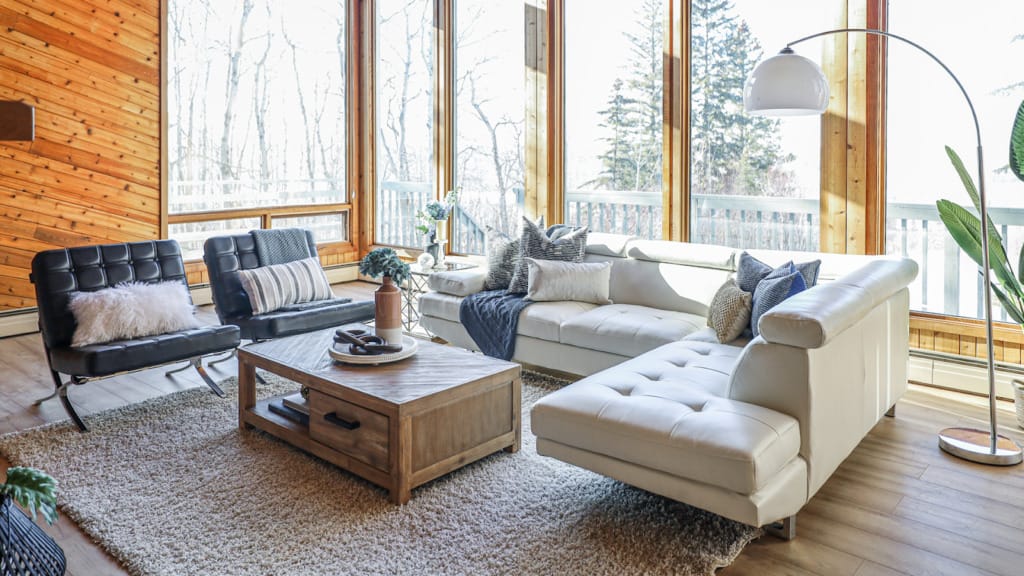
The conflict between daily living and show-ready spaces
If you’re trying to pack and stage while living in the house, there’s an unavoidable tension. On one hand, you need your space to be polished and appealing for buyers. On the other hand, you still need to cook, eat, sleep, work, and relax. All of this eventually generates mess. Your kitchens fill with dishes, living rooms collect laundry, and bedrooms look lived-in fast.
This conflict can make you feel like you’re constantly cleaning up just to have the home “ready” again. It’s not about laziness or lack of effort but simply human nature. The challenge is finding ways to minimize that tension, so your home stays presentable without turning your daily routines haphazard.
Common mistakes homeowners make when staging while living at home
Many homeowners dive into staging without a clear plan, and it can backfire. Here are some mistakes to watch out for:
- Trying to do it all at once: Packing and staging every room simultaneously can quickly become overwhelming. Without a timeline, it’s easy to lose track of your tasks.
- Leaving personal items out: Family photos, kids’ toys, or pet items can distract buyers from the home’s features. While you don’t have to go fully minimalist, leaving too many personal touches visible can reduce the perceived space and appeal.
- Overloading storage areas: Sometimes in the effort to stage main rooms, homeowners shove unwanted items nto closets, cabinets, or corners. This just shifts the mess elsewhere, and buyers often peek inside these spaces.
- Neglecting high-traffic rooms: It’s easy to focus on living rooms and kitchens for photos but forget hallways, bathrooms, or entryways. Buyers notice these areas, so keeping them unorganized can leave a negative impression.
- Inconsistent staging routines: Staging is not a one-time effort. Homes that look great one day but messy the next create a sense of chaos and can make buyers feel uneasy about the property’s maintenance.
- Not planning for daily life: Forgetting to leave accessible everyday items (like dishes, toiletries, or work materials) can frustrate your household and make it hard to maintain your routine while staging.
What Does It Mean to “Pack and Stage Without Losing Daily Function”?
Defining daily function in a staged home
When we talk about daily function in a staged home, we mean the ability to live comfortably while your home is on the market. A home that is staged but completely unusable for daily life creates unnecessary stress and can make both you and buyers feel uneasy.
Daily function also includes having accessible essentials, like toiletries in the bathroom, dishes in the kitchen, or important documents in a safe spot.
The goal is to keep your life flowing smoothly while ensuring that spaces buyers see are attractive and reflective of your home’s potential.
The balance between minimalism and livability
| Focus Area | Minimalism Approach | Livability Considerations |
| Living Room | Keep surfaces clear, limit furniture to highlight space | Leave one cozy seating area for daily use |
| Kitchen | Remove excess appliances and countertop items | Keep frequently used items accessible for cooking |
| Bedrooms | Reduce personal items and decorative pieces | Keep daily necessities like lamps, bedding, and nightstand essentials |
| Bathrooms | Clear countertops of personal toiletries | Maintain basic daily use items like towels and soap |
| Entryways & Hallways | Minimize belognings like shoes and coats | Ensure daily convenience for family members |
Step-by-Step Plan to Pack and Stage While Living in Your Home
Create a packing and staging timeline
If you intend to pack and stage while living in your house, it helps to have a clear timeline. Here are some pointers:
- Start early: Begin packing non-essential items at least 4-6 weeks before listing. Seasonal décor, extra linens, and rarely used kitchen gadgets are good first candidates.
- Break tasks into chunks: Instead of tackling the whole house at once, focus on 1-2 rooms per week. This keeps progress manageable and prevents burnout.
- Schedule staging sessions: Plan when furniture or décor will be moved, delivered, or rearranged, ideally after major packing tasks are done.
- Include daily maintenance in your timeline: Allocate a few minutes each day for quick touch-ups to keep spaces show-ready.
- Factor in showings: Keep a flexible buffer so you can do a quick reset before last-minute visits.
Decide what to pack first vs. what to keep accessible
| Item Type | Pack First | Keep Accessible |
| Seasonal items | Holiday décor, off-season clothing | Daily clothing essentials |
| Kitchenware | Extra dishes, rarely used appliances | Daily-use dishes, utensils, coffee maker |
| Decor | Extra vases, knick-knacks, personal photos | Minimal décor that enhances staged rooms |
| Linens | Spare blankets, guest sheets | Bedsheets and towels in rotation |
| Personal items | Old paperwork, memorabilia | Daily essentials like wallets, keys, and electronics |
The idea is to pack items you don’t use often while keeping daily essentials within reach, so life continues smoothly even as rooms are staged.
Room-by-room staging strategy for occupied homes
When staging an occupied home, the key is to think in zones rather than individual rooms. Focus on creating areas that feel open, organized, and inviting, while still keeping everyday items accessible. The goal is to make each space show-ready at a glance, without disrupting your daily routines or packing schedule.
Looking for expert tips on which rooms to prioritize while staging your home? Read this blog to learn more!
Room-by-Room Packing and Staging Tips
Living room: Keeping it photo-ready without losing comfort
Keep surfaces tidy and remove excess décor or personal items. Arrange furniture to highlight space and natural light, but leave a small, comfortable seating area for daily use.
A simple basket for everyday items like remote controls or magazines can keep the space organized yet lived-in.
Kitchen: How to tidy up without breaking your routine
Clear countertops of appliances and extra items, leaving only essentials you use daily. Store extras in labeled bins or pantry shelves.
Keep frequently used items accessible so cooking and cleaning stay effortless, while still presenting a neat, inviting space for buyers.
Bedrooms: Minimal staging while maintaining daily use
Use neutral bedding and limit personal items to create a clean, spacious feel. Keep daily essentials like lamps, nightstands, and a small selection of clothes accessible, while storing extra items out of sight in bins or closets.
Bathrooms: Quick reset routines for showings
Keep counters mostly clear, rotate toiletries in cabinets, and maintain fresh towels.
A simple 5-minute tidy-up before showings can make the bathroom look spotless and welcoming.
Storage areas: Packing strategically to avoid mess
Use labeled bins, baskets, and shelves to store items systematically. Avoid shoving unwanted items into hidden corners. We recommend keeping an organized storage area to keep everyday items accessible while maintaining a staged appearance throughout the home.
Smart Storage & Organization Hacks for Lived-In Staging
Temporary storage solutions for daily-use items
When living in a staged home, some items need to stay within reach, but you don’t want them visible to buyers. Consider rolling carts, decorative trunks, or under-sofa storage drawers for items you use daily, like kids’ toys, mail, or work supplies. These temporary solutions let you keep essentials handy while keeping surfaces tidy.
Using bins, labels, and staging zones
| Hack | How It Works | Benefit |
| Clear bins | Store grouped items so you can quickly see contents | Saves time searching and keeps things organized |
| Color-coded labels | Assign colors to rooms or categories | Makes packing, staging, and daily use seamless |
| Staging zones | Dedicate visible areas for “show-ready” vs. “lived-in” items | Keeps buyers’ focus on staged spaces without disrupting your routine |
How to hide everyday mess before showings
Sometimes the simplest tricks are the most effective. Slide personal items into drawers, baskets, or decorative boxes for a quick visual reset. Use behind-the-door organizers for small items, or repurpose a stylish ottoman as a hidden storage spot.
Even a few minutes of tidying up before a showing can make your home feel instantly more spacious and aesthetic.
Also read: Is Your Home Ready to Sell? A Simple Pre-Listing Checklist
Pros and Cons of Staging While Living in Your Home
Benefits of occupied staging
- Show your home’s true potential: Buyers can see how the space functions in real life, making it feel more inviting.
- Cost-effective: You can stage without fully vacating or renting temporary storage for all your belongings.
- Flexibility: You can make small adjustments as needed, rather than committing to a completely empty home.
- Faster move-out: Packing and staging simultaneously gets you ahead of the moving curve.
- Comfortable transition: You maintain daily routines while still presenting a polished, staged home.
Drawbacks and stress factors to prepare for
- Constant maintenance: Keeping spaces show-ready daily can feel exhausting.
- Limited privacy: Buyers may see personal items or routines unless carefully managed.
- Disrupted routines: Cooking, cleaning, and daily life may require extra planning to avoid disruptions.
- Emotional stress: Seeing your home in “presentation mode” while still living there can feel unnatural or tense at times.
Cost Considerations: DIY Staging vs. Professional Help
1. Cost breakdown of packing supplies and storage
| Item | Approximate Cost |
| Packing supplies (boxes, tape, bubble wrap, labels) | $150–$520 for a 2–3 bedroom home |
| Storage bins & organizers | $20–$50 per bin |
| Self-storage units | $40–$150/month depending on size |
| Renting furniture pieces or décor | $10–$100 per piece (based on rental plan) |
| Moving supplies & miscellaneous items | $40–$100 total |
Planning ahead for these basics helps you keep your staging organized and on budget.
2. Hiring a home staging professional makes sense
Hiring a staging expert in Canada can feel like a significant investment, but it often pays off. Professionals know how to:
- Highlight your home’s best features.
- Create cohesive and attractive spaces.
- Advise on what to pack or rearrange.
For busy homeowners, this support turns what could be an overwhelming process into a smooth, stress-free experience.
3. Budget-friendly staging options for occupied homes
If you want to stage your home without breaking the bank, consider:
- Prioritizing key rooms: Focus on spaces buyers notice most, like the living room, kitchen, and primary bedroom.
- Mixing DIY with professional touches: Handle packing and storage yourself but hire a stager for styling and furniture placement.
- Using what you have creatively: Rearrange furniture, swap décor between rooms, or repurpose storage items to keep spaces functional and attractive.
If you’re looking for a staging company in Edmonton that can make your home look its best while keeping daily life comfortable, choose The Staging Place.
Daily Routines to Keep Your Home Show-Ready
10-minute daily reset checklist
- Wipe down kitchen counters and dining surfaces
- Tidy living areas: fold blankets, stash toys and personal belongings
- Make beds and straighten pillows
- Wipe bathroom counters and hang fresh towels
- Quick walk-through of entryways to remove shoes, coats, or miscellaneous items
Quick staging routines before last-minute showings
- Remove personal items like photos or mail from visible surfaces
- Fluff cushions, straighten rugs, and arrange décor
- Ensure lighting is bright: open blinds and switch on lamps
- Take out trash and clear sinks or counters
- Do a final scan of high-traffic areas to make the home feel polished and inviting
Decision Guide: Should You Stage While Living in the Home?
Who this approach works best for
- Homeowners who want to stay in their home during the selling process
- Families with manageable daily routines who can commit to small daily resets
- Sellers looking to save on full vacating costs while still presenting a polished home
When vacant staging might be the better option
- Homes with high traffic or constant mess that’s hard to manage
- Families with young children or multiple pets that make maintaining show-ready spaces challenging
- Sellers who want a completely blank canvas to maximize the home’s perceived space and appeal
If you’re looking for a professional staging company to help you keep your home look presentable while still functional for your daily routine, you’ve come to the right place! Give us a call today for a free consultation on how we can make the most out of your space without making it impractical for your everyday use.
Frequently Asked Questions
Can I fully stage my home if I have kids or pets?
Of course! You can still stage effectively with kids or pets, but it requires planning. Use temporary storage solutions, keep toys and pet items out of sight during showings, and schedule a quick tidy-up routine before buyers arrive. The goal is to make your home look polished without disrupting daily life.
How far in advance should I start packing?
Start 4–6 weeks before listing if possible. Begin with non-essential items like seasonal décor, extra linens, and rarely used kitchen tools. Gradually work through each room so packing and staging don’t feel overwhelming.
What rooms matter most for buyers?
Focus on key spaces that make the biggest impression: living room, kitchen, primary bedroom, and bathrooms. These are the areas buyers notice first and remember most, so staging them well can have the greatest impact.