


Selling a home can be exciting but it’s not always smooth sailing. One of the biggest hurdles realtors face is sellers who resist staging. Whether they’re worried about costs, emotionally attached to their décor, or convinced their home will sell “as is,” hesitation can stall the listing process and even impact the final sale price.
The truth is, staging is a strategic tool to showcase your home in the best possible light, attract more buyers, and ultimately secure a higher offer.
For realtors, the challenge is real: how do you convince a hesitant seller without creating tension or risking the listing? The key isn’t to argue or pressure but to understand their perspective, validate their concerns, and guide them toward seeing staging as an investment, not a cost.
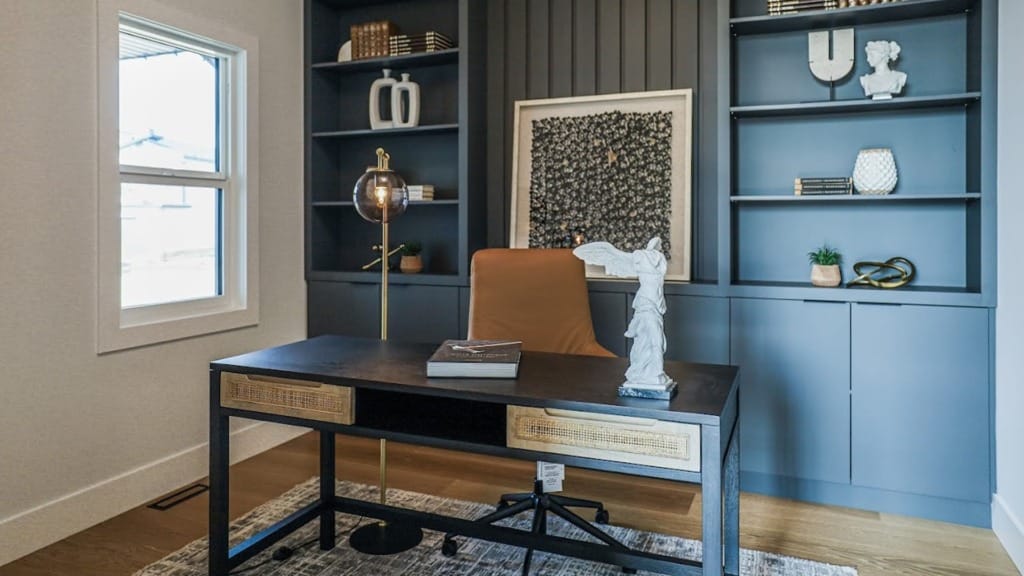
Why Sellers Resist Staging in the First Place
Even the savviest homeowners can have strong feelings about their space, and it’s not uncommon for them to push back on staging. Here are the main reasons sellers hesitate and the psychology behind each objection.
“We Don’t Need It” — The Market Misconception
Some sellers believe that if homes in their neighborhood sell quickly, staging is unnecessary. They think buyers will naturally see the value without any extra effort.
- The Reality: Even in hot markets, homes that are professionally staged attract more attention, sell faster, and often command higher offers.
- Psychology at Play: This objection is often a form of confirmation bias. Sellers focus only on homes that sell “as is” and ignore those that struggled because they weren’t staged.
Also read: Adapting Home Staging for Different Buyer Demographics
“It’s Too Expensive” — Cost vs ROI Objection
Money is usually the first thing on a seller’s mind. They worry about upfront staging costs and wonder if it’s worth the investment.
- The Reality: Staging is an investment, not an expense. Homes that are staged can sell faster and for a higher price, often more than offsetting the initial cost.
- Psychology at Play: This is classic loss aversion. Sellers fear spending money now, even when it could lead to a bigger payoff later.
“We Like It This Way” — Emotional Attachment
Many homeowners are attached to their décor, furniture, or personal touches. They’ve lived in the space for years, and the thought of rearranging or removing items can feel like letting go of memories.
- The Reality: Buyers need to envision themselves living in the home, not the current owners. Staging neutralizes personal touches while highlighting the home’s best features.
- Psychology at Play: The endowment effect and identity attachment make sellers overvalue what they own. What feels normal to them can feel unappealing to buyers.
“We’ll Just Rearrange” — DIY Mindset
Some sellers think that a little rearranging is enough. They may underestimate the professional impact staging brings, thinking that “anyone can do it.”
- The Reality: While rearranging or reorganizing your house helps, strategic staging transforms the home visually and emotionally. It guides buyers’ eyes, creates aspirational spaces, and highlights the home’s best features.
- Psychology at Play: Sellers often resist outside guidance because of a need for control or a DIY mindset. They want to feel they’re managing the sale themselves.
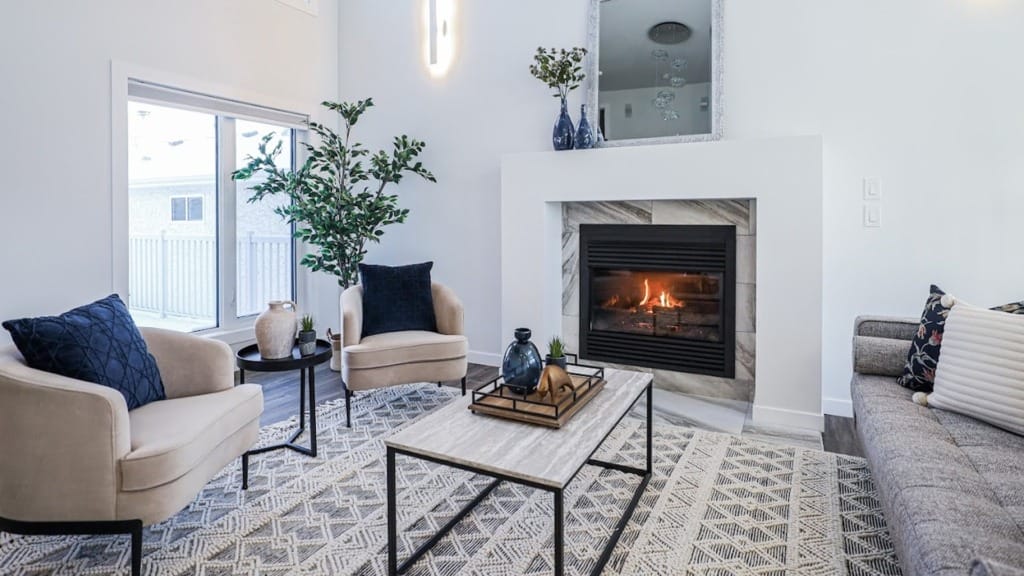
What Skilled Realtors Do Differently
The best realtors know that resistant sellers aren’t obstacles—they’re opportunities. The secret isn’t pressure—it’s strategy. Each tactic is designed to guide the seller toward seeing staging as an investment, not an expense.
They Reframe Staging as a Marketing Tool, Not a Cost
Staging is an investment in perception. It turns your listing photos into a magnet for buyers, emphasizes flow and lifestyle, and allows buyers to visualize themselves living in the space. Many sellers see staging as just “decor” or “extra work,” but realtors shift the conversation: it’s about selling the home faster and at a higher price, not fluff.
- Highlights the home’s best features.
- Guides buyers’ attention to the most valuable spaces.
- Makes listings appear move-in ready and aspirational.
They Use Data Instead of Opinions
Numbers don’t argue. They convince. Presenting hard facts about how staging impacts sales helps sellers overcome emotional bias without feeling pressured.
You can present simple facts based on your research to sellers in a tabular format. For instance:
| Metric | Unstaged | Staged |
| Average Days on Market | 75 | 37 |
| Average Sale Price | $450,000 | $475,000 |
They Show, Not Tell
Before-and-after examples speak louder than any explanation. Realtors walk sellers through staged spaces or showcase transformations with photos to highlight key improvements: open layouts, optimized lighting, and focal points that catch buyers’ attention.
Even a partial staging of high-impact rooms can demonstrate the power of professional staging without overwhelming the seller.
They Focus on Buyer Expectations
Buyers aren’t buying your memories, but a home that fits their lifestyle. Realtors frame staging as answering the buyer’s checklist:
- Rooms should feel move-in ready.
- Layouts must highlight functionality.
- Decor should be minimalistic instead of overdone.
Framing staging around buyer expectations helps sellers see that it’s about meeting market demands.
They Personalize the Approach
Every seller is different, and top realtors adjust their tactics accordingly:
| Seller Type | Realtor Strategy |
| Emotional | Validate attachment, propose neutral adjustments |
| Budget-focused | Highlight ROI, suggest partial staging |
| DIY-minded | Show the measurable impact of professional staging |
Personalized strategies make sellers feel understood while guiding them toward staging decisions that improve results.
They Control the Narrative Without Arguing
Instead of debating with sellers, skilled realtors guide them towards staging. Every objection becomes an opportunity to show that staging is a tool for success, not a chore. By combining insight, visual examples, and clear outcomes, they create collaboration instead of conflict.
Scripts Realtors Use to Overcome Objections
The ROI Script
Scenario: The seller worries about upfront costs.
Script Example:
“I understand that staging can feel like an extra expense. Here’s what we’ve seen: a home that’s staged can sell faster and often above the asking price. For example, one of my recent listings spent only two weeks on the market after staging, compared to similar homes nearby that took six weeks and ended up reducing their price by $15,000. The upfront cost of staging was a fraction of that difference.”
Key Tactic: Compare staging costs with potential lost revenue if the home sits on the market. Concrete numbers make the decision less emotional, more practical.
The “Online First Impression” Script
Scenario: Seller thinks buyers only care about the home in person.
Script Example:
“About 90% of buyers start online. The first photos can make them click or scroll past. By staging just the living room and main bedroom, we can highlight the home’s best features and make it stand out online. One listing I worked on received 50% more clicks after we staged key spaces. It turned casual viewers into serious buyers.”
Key Tactic: Show how visual presentation drives engagement and sets the tone before buyers even step inside. Focus on high-impact rooms.
The “We’re Competing” Script
Scenario: Seller thinks their home will sell easily without staging.
Script Example:
“Homes in your neighborhood are selling fast, but the competition is strong. Buyers compare listings side by side. The last few houses that weren’t staged sat on the market for weeks, even though they were priced competitively. By staging yours, we ensure it stands out for the features buyers notice most: room flow, light, and how each space feels functional.”
Key Tactic: Position staging as a strategic edge, not a critique of the home. Highlight specific areas that make a difference, like opening the dining space for flow or arranging furniture to emphasize living area size.
The “Test It First” Soft Approach
Scenario: Seller is hesitant and wants minimal change.
Script Example:
“We don’t have to stage the whole home. Let’s try staging just the living room, kitchen, and master bedroom. If you like the results, we can expand to other rooms. This way, you can see the impact firsthand without committing to everything upfront.”
Key Tactic: Lower the barrier by offering partial staging. Focus on high-visibility spaces like entryways, main living areas, and the kitchen.
Adding Emotional Validation
In every conversation, combine scripts with empathy:
- “I know this is your home, and you’ve made so many memories here. Staging doesn’t erase that. It simply highlights the home’s strengths so buyers can imagine making their own memories.”
- Highlight specific improvements, like rearranging furniture to make the living room feel larger, replacing mismatched lighting fixtures for better brightness, or organizing surfaces to make counters look spacious.
When Sellers Still Say No
Minimizing Damage Without Full Staging
Even when sellers refuse full staging, there are ways to make key spaces feel more inviting and functional.
For instance, in the living room, a realtor might suggest rearranging the sofa and chairs to open up sightlines toward the windows, allowing natural light to fill the space and making it appear larger.
In the kitchen, removing personal photos or replacing worn dish towels with clean, neutral options can make the area feel more like a showroom without touching the seller’s furniture.
The goal is to guide buyers’ attention to the home’s strengths, even if the seller only allows minor adjustments.
Strategic Compromises That Still Work
Realtors often propose partial staging or room-specific enhancements as a middle ground. For example, instead of staging the entire home, the dining room, living room, and master bedroom can be prioritized.
Realtors may bring in temporary furniture like a small bench in the entryway or a rug to define a sitting area, giving buyers a sense of how each space can function. Lighting swaps, such as replacing a dim fixture with a brighter one or opening curtains strategically, can make hallways and kitchens feel more inviting.
Even small visual tweaks like repositioning a large mirror to reflect light or arranging a few decorative items on a countertop can transform perception. These targeted interventions allow the home to feel intentional without requiring full-scale staging.
Also read: How to Stage Occupied Homes: Creating Balance Between Living and Selling
Knowing When to Walk Away from a Listing
Sometimes, no amount of persuasion works. Experienced realtors recognize when insisting on staging could harm both the listing and their own credibility. If a seller refuses all staging efforts and the home is unlikely to compete with similar listings, it’s better to step back than risk a long, unproductive listing.
Why Staging Resistance Costs Sellers More
Refusing staging isn’t just a missed opportunity. It can directly impact speed of sale, final offers, and buyer perception. This is what it may lead to:
Longer Days on Market
Homes that aren’t staged often spend weeks longer on the market. Buyers make snap judgments during showings, and spaces that feel less purposeful slow engagement.
Examples:
- Living rooms with awkward furniture arrangements can make spaces seem smaller.
- Kitchens without functional surfaces may feel cramped or outdated.
Mini-table for clarity:
| Home Type | Days on Market | Outcome |
| Unstaged | 68 | Price reductions after 2 months |
| Partially Staged | 35 | Sold at asking price |
| Fully Staged | 22 | Multiple offers above asking |
Lower Offers and Buyer Hesitation
Buyers judge move-in readiness first. A bedroom that feels crowded or a kitchen that isn’t visually optimized can create hesitation and lead to lower offers.
How realtors counter this:
- Rearrange furniture to open pathways.
- Add functional elements like a side table or simple shelving.
- Highlight light and flow to make spaces feel larger.
These targeted interventions reduce uncertainty and increase perceived value, helping sellers get stronger offers.
Also read: What Buyers Notice First When They Walk Through Your Home
Missed Competitive Advantage
In competitive markets, buyers compare listings side by side. A home that resists staging loses an edge over nearby properties.
Small tweaks make a difference:
- Reposition a sofa to frame a window view.
- Add a chair with a lamp to define a cozy reading corner.
- Showcase functional surfaces in kitchens and bathrooms.
These visual cues make the home stand out in photos and in-person tours, increasing the likelihood of a faster, higher-value sale.
Final Takeaway
The best realtors don’t sell staging, they sell outcomes. They understand that every objection from a seller is rooted in emotion, perception, or fear of unnecessary expense. For realtors navigating hesitant sellers, the takeaway is simple: guide with examples, show the numbers, and always focus on results. When sellers understand the tangible benefits, staging stops being an optional add-on and becomes an essential step in a successful sale.
If you’re looking for professional staging services in Edmonton, The Staging Place can help turn hesitant sellers into confident, ready-to-market homes. Our team specializes in creating high-impact staging that drives faster sales and higher offers without overwhelming the seller. Contact us today to see how we can transform your listings.