


Imagine a couple steps out of your home after a showing, and you’re left wondering what they’re thinking. Are they impressed? Underwhelmed? Or turning your house down without even saying a word?
The truth is that every detail, from the way the sunlight hits your living room to the faint scent lingering at the front door, can trigger an emotional reaction that sticks in a buyer’s mind long after they leave. Understanding these subtle cues is the key to turning curiosity into offers.
In this post, we’re pulling back the curtain on what buyers really talk about after leaving a showing. You’ll discover how first impressions, emotional responses, and even small micro-flaws shape the conversations they have in the car or with their agent.
More importantly, you’ll see how a few strategic staging moves can influence those impressions, making your home feel move-in ready and impossible to forget.
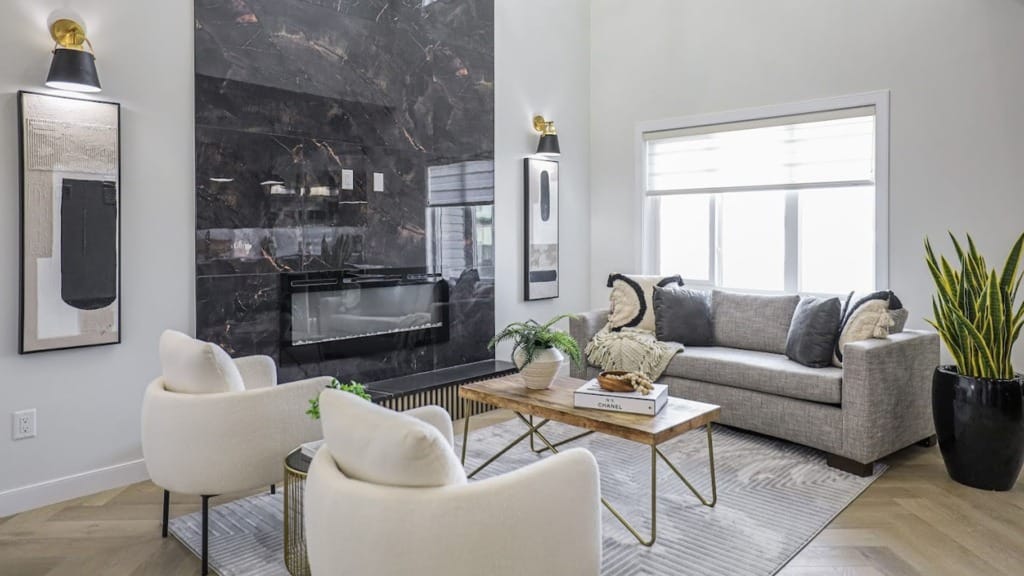
Immediate Buyer Reactions
What Buyers Notice First When They Walk Out
The moment buyers step through your front door, their senses go into overdrive. It’s not just about what they see but what they feel, smell, and sense in the first few seconds.
For instance,
Smell: A lingering pet odor, cooking scent, or musty carpet can instantly trigger a negative reaction. Buyers may not mention it out loud, but it shapes their emotional response.
Lighting: Bright, natural light can create the illusion of a more spacious room. Dim, shadowy spaces? They feel cramped, even before buyers explore further.
Presentation: A pile of mail on the counter or too many personal items in the living room can signal a lack of care or maintenance. Tidy, organized spaces communicate readiness.
Imagine a buyer walking in after visiting three other homes. That first impression is being recorded, analyzed, and compared before they even glance at your kitchen.
The First 5 Minutes That Shape Their Opinion
Here’s a fact that can feel alarming: buyers make up their minds within the first five minutes. The rest of the tour? Mostly validation.
- Did the entryway feel warm or cold?
- Was the living room open enough?
- Did the lighting highlight the space or hide its flaws?
These first impressions act like a filter. If something feels “off” early on, buyers will look for reasons to justify that feeling throughout the rest of the house.
Also read: What Buyers Assume About a Home Before They Start Evaluating Rooms
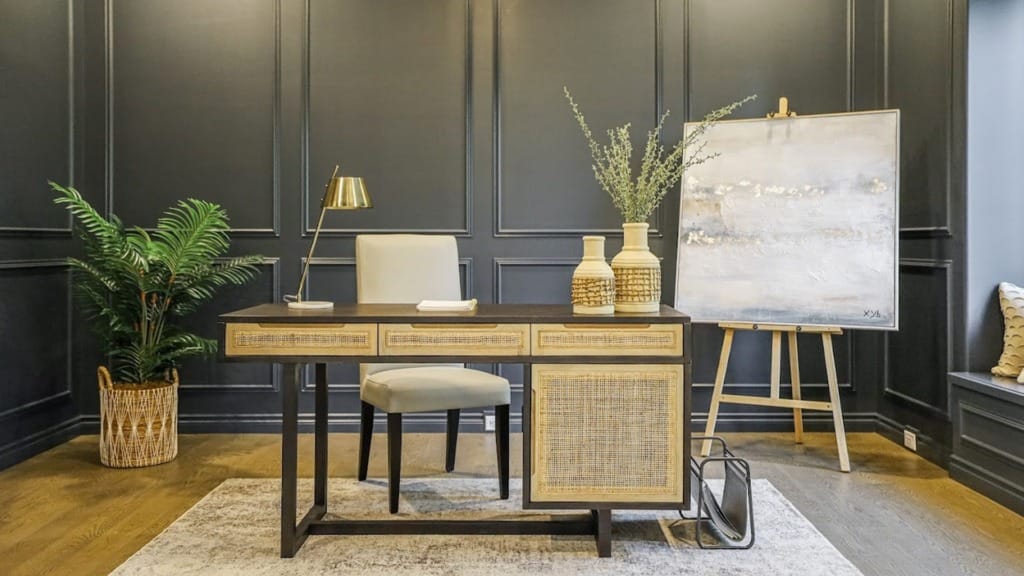
What Buyers Actually Say (Simulated Dialogue)
“It Just Didn’t Feel Right” — Emotional Disconnect
Imagine a buyer stepping out of your home and saying…
“It just didn’t feel right.”
No logical reason. No checklist. Just a gut feeling. Emotional disconnect happens when the home fails to create a positive vibe, even if everything technically checks out. Buyers may notice:
- Uninviting, dull colors
- Odd furniture arrangements
- A dirty entryway
The result: They’re hesitant. They can rationalize why they should like the house, but their emotions are already signaling “maybe not.”
Quick fix: Subtle staging tweaks can bridge the gap. Open layouts, cozy accents, and warm lighting can go a long way in creating a positive impression.
“It Needs Too Much Work” — Perceived Effort
“We’d have to do too much to make it ours.”
Even minor imperfections like scuffed walls, outdated fixtures, or a slightly cramped closet can make a home feel like a project. Buyers are thinking about time, money, and energy, not just square footage.
Solution: Even small cosmetic fixes like fresh paint and replaced hardware can reduce perceived effort and make buyers imagine themselves living there without overwhelm.
“It’s Overpriced for What It Is” — Value Perception
“I love it, but it feels overpriced.”
Value isn’t just about market comps. Buyers assess how the home feels, functions, and flows. Poorly staged spaces can make a great home feel smaller or less functional, decreasing its perceived value.
- Empty rooms can look smaller
- Overstuffed rooms feel chaotic
- Poor lighting hides architectural highlights
Staging impact: Highlighting flow, focusing on minimalistic layouts and balancing furnishings instantly boosts perceived value. Buyers feel like the price makes sense because the home looks polished and thoughtfully arranged.
“The Layout Was Weird” — Flow & Function
“I’m not sure how the furniture would even fit.”
Even in spacious homes, awkward layouts or unclear function of rooms can make buyers feel disoriented. They can’t visualize living there comfortably.
Quick win: Use thoughtful staging to define each space, showing purpose and flow:
- Living room → use cozy seating
- Dining → create clear space for family meals
- Entryway → add a few succulents for a welcoming vibe
Suddenly, the layout feels intuitive, and buyers can see themselves moving in.
Also read: Living Room Furniture Layouts for Maximum Appeal
“It Felt Small/Dark/Cramped” — Spatial Illusion
“It’s just too dark and tight.”
Lighting and spatial perception are everything. Even a large room can feel cramped if shadows dominate or furniture blocks sightlines. Buyers notice:
- Dim corners
- Heavy furniture
- Closed-off areas
Solution: Lighten the mood, literally. Use sheer curtains, reflective surfaces, and strategic furniture placement. Staged spaces feel bright, airy, and expansive, making the home appear larger and more inviting.
Silent Deal Breakers Buyers Don’t Say Out Loud
Smell, Cleanliness, and Maintenance Signals
Buyers may not voice it, but your home’s scent tells a story before they even open their mouths. Even subtle odors can trigger discomfort, especially for those with sensitive noses. Some common culprits:
- Pet odors lingering in carpets or upholstery
- Lingering cooking smells, like fish or strong spices
- Musty basement or damp areas
- Cleaning product overkill, which can feel artificial or harsh
Pro tip: Lightly ventilate the home before showings. A plant-based and gentle air freshener or a scented candle with a gentle fragrance always wins over overpowering air fresheners. Buyers want to smell clean, not “perfumed.”
Maintenance signals are equally important. A squeaky door hinge, a dripping faucet, or chipped paint might seem minor to you, but to buyers, these tiny imperfections signal neglect. The brain interprets them as potential future headaches, even if the house is otherwise perfect.
Personalization Issues
Too much personalization can distract buyers from imagining themselves in the home. This may include:
- Overly themed décor, like sports memorabilia or niche collectibles
- Excessive family photos in every room
- Crowded bookshelves or countertops, even if tidy
Example scenario: A buyer walks into the kitchen and sees a counter full of magnets, kids’ artwork, and recipe books. Even if it’s organized, they subconsciously feel “this isn’t my space” and may discount the home without saying why.
Why Buyers Reject Your Home (The Hidden Psychology)
Why Buyers Compare Your Home to the Last One They Saw
Buyers rarely evaluate a home in isolation. In fact, they’re constantly comparing it to the best home they toured that week. Even small differences can feel magnified:
- A slightly dated kitchen may seem glaring if the previous house had brand-new appliances
- A cozy bedroom might feel cramped if the last home had a spacious primary bedroom
- Subtle flooring imperfections stand out more after seeing flawless hardwood elsewhere
These comparisons are subconscious. Buyers might nod politely, but in their minds, they’re running a checklist: “How does this home stack up?”
Decision Fatigue and Why Details Matter More Later
Another hidden hurdle is decision fatigue. Buyers often tour multiple homes in a day, and mental energy runs out fast. Tiny flaws suddenly feel huge:
- A door that sticks slightly
- Faded grout in the bathroom
- A window that doesn’t open smoothly
What seemed minor at first now becomes a reason to hesitate or even reject the home.
How to Influence What Buyers Say After They Leave
Staging Strategies That Shape Positive Conversations
Small, intentional touches can make buyers instantly feel at home and spark positive conversations. Think of details that draw the eye and trigger comfort, rather than generic advice:
- Place a soft throw over a sofa or armchair to create a cozy spot.
- Add a bowl of fresh lemons or herbs in the kitchen for a lived-in, vibrant feel.
- Turn on a small lamp in a darker corner to make the space warm and inviting.
These subtle cues give buyers a sense of care, move-in readiness, and comfort – all things they’ll remember and talk about later.
Small Changes That Create Big Emotional Impact
Even tiny tweaks can trigger a “wow” moment. Here’s are some ideas:
| Area | Specific Changes | Impact on Buyers |
| Living Room | Arrange sofa angled toward the fireplace, add a soft throw, small coffee table with plant | Cozy, welcoming, encourages buyers to explore further |
| Kitchen | Clear counters, add a bowl of lemons and cutting board with herbs | Feels functional, lively, ready to cook in |
| Bedrooms | Pale gray duvet, neatly stacked pillows, bedside lamp turned on | Relaxing, aspirational, easy to imagine living there |
| Entryway | Small bench with a plant, shoes neatly tucked away | Inviting first impression, sparking buyer’s interest |
| Bathrooms | Replace old shower curtains, add fluffy towels folded neatly, add a small scented candle | Signalling maintenance and care |
| Dining Room | Set the table for a simple meal – white plates, cloth napkins, a small vase with fresh flowers. | Buyers can imagine hosting family dinners here. |
If you want more budget-friendly tips for staging your home effectively, click here.
Final Takeaway
At the end of the day, what buyers say or don’t say after a showing tells the story of your home. Even small layout quirks and subtle décor choices can impact their emotions and ultimately, their decision to make an offer.
The difference isn’t always in square footage or upgrades but how your home feels. That’s where staging steps in as the secret weapon.
If you’re unsure whether buyers are noticing the right things in your home or if you want to make every first impression count, reach out to The Staging Place. We offer professional staging consultations that can reveal what buyers won’t say out loud, followed by the guidance you need to ensure your home leaves a great impression on buyers.