


If you’re house hunting right now, you’ve probably noticed something: buyers aren’t excited about fixer-uppers the way they used to be. People want a home that’s ready to live in from day one, meaning a true move-in ready home.
A home that’s move-in ready doesn’t just have a coat of paint or new floors. It means the big stuff works, the layout makes sense for modern life, and you don’t have to scramble fixing things right after moving in. Convenience has become a top priority, and sellers who understand that have a serious advantage.
This blog will break down what “move-in ready” really means in 2026. We’ll cover the essentials every buyer expects, including structural integrity, modern kitchen upgrades, energy-efficient home features and smart tech.
We’ll also look at the extras that can make a house stand out, the red flags to watch for, and how to figure out if the cost of move-in ready homes is worth it compared to taking on renovations yourself.
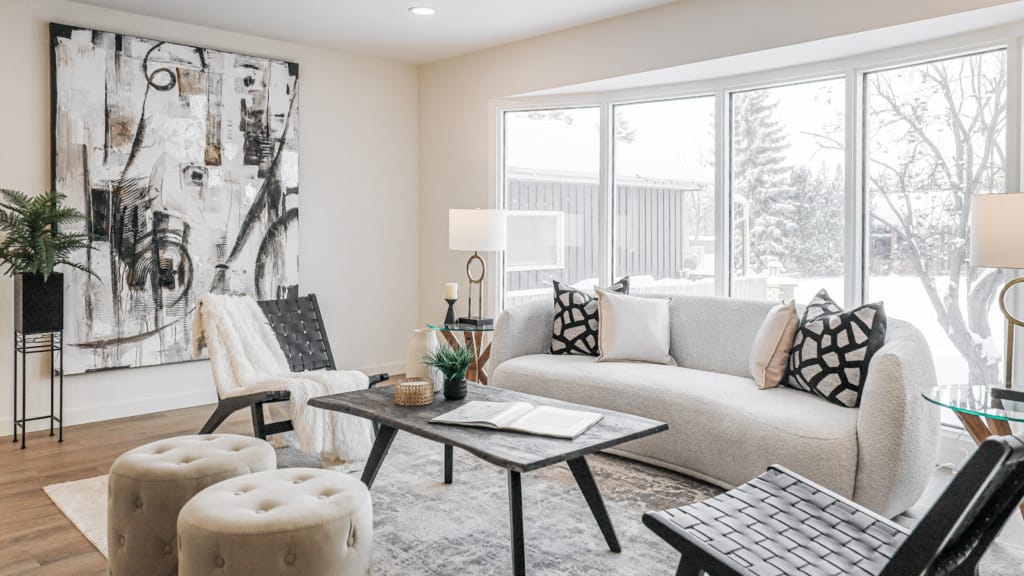
Introduction: The Shift from “Fixer-Upper” to “Turnkey”
The housing market has changed a lot in recent years. It used to be normal to buy a fixer-upper and spending months or even years renovating it. But today, people want homes that are ready to live in from the moment they step through the door, a true turnkey property.
Understanding this shift is key if you want to make smart choices, whether you’re buying or selling a move-in ready home.
Why 2026 Buyers Are Prioritizing Convenience Over Potential
Buyers in 2026 aren’t looking to take on massive renovation projects. They prefer convenience. Here’s why move-in ready homes are so appealing today:
- Time is money: People don’t want months of renovations before they can enjoy their home.
- Mental peace matters: No leaky roofs, faulty plumbing, or outdated electrical systems to worry about.
- Modern lifestyle needs: Buyers expect home office spaces, smart tech, and energy-efficient home features.
- Financial convenience: Many buyers prefer paying a premium upfront rather than handling costly repairs later.
Defining “Move-In Ready”: It’s More Than Just Fresh Paint
What does move-in ready mean? It’s simple. It’s not just about a home looking good, but being functional, safe, and liveable from day one. Here’s what a home should have to qualify as move-in ready:
- Working major systems: HVAC, roof, plumbing, and electrical all in good condition.
- Modern kitchen upgrades: Functional layouts, islands, updated cabinets, and quality countertops.
- Updated bathrooms: Neutral, clean, and functional fixtures.
- Smart home upgrades for resale: Thermostats, lighting, and connectivity features.
- Energy-efficient home features: Windows, insulation, and appliances that reduce bills.
- Low maintenance landscaping: Outdoor spaces that are attractive but easy to care for.
The “Big Three” Essentials: What Counts as Move-In Ready Now?
Not all move-in ready homes are equal. Buyers today are looking beyond just cosmetic fixes. They want functionality, comfort, and systems that won’t fail.
There are three areas that consistently make or break a home’s move-in readiness.
Structural & Systems Integrity (HVAC, Roof, and Plumbing)
The foundation of a move-in ready home is its structural and mechanical systems. Buyers want reassurance that the roof won’t leak, the HVAC system keeps the house comfortable year-round, and the plumbing and electrical systems are reliable. Cosmetic updates matter less if these core systems are shaky.
Having strong structural integrity also helps sellers justify the price of a turnkey property. A home inspection checklist ensures these systems are verified, helping buyers feel confident moving in immediately.
The Modern Kitchen & Bath Standard (Neutral & Functional)
When it comes to key features in kitchens and bathrooms, here’s what matters the most:
- Cabinetry: Shaker-style or flat-panel cabinets in neutral colors and a durable design.
- Countertops: Quartz or granite surfaces that are stain-resistant & low maintenance
- Appliances: Energy-efficient appliances including stove, fridge, and dishwashers
- Sinks & Faucets: Undermount or farmhouse sinks with high-arc, pull-down faucets.
- Bathroom Fixtures: Vanities with solid countertops, efficient toilets, and low-flow showerheads.
- Lighting: Layered lighting including LED recessed lights, under-cabinet task lighting, and well-placed bathroom vanity lighting.
Energy Efficiency & Smart Tech Integration
Buyers are more interested in homes that have smart tech embedded in everyday living spaces. Here’s a table for a breakdown:
| Feature | What Buyers Expect |
| Energy-efficient windows | Double or triple pane, low-E glass installed throughout the home |
| Smart thermostat | Wi-Fi enabled, programmable, and compatible with popular smart home apps |
| Updated insulation | Properly insulated attic, walls, and basement according to modern standards |
| LED & energy-saving lighting | Well-distributed, long-lasting, and dimmable options in key areas |
| Smart security and connectivity | Video doorbells, smart locks, CCTVs, or home automation systems ready to use |
Also read: Is Your Home Ready to Sell? A Simple Pre-Listing Checklist
Beyond the Basics: The “Nice-to-Haves” That Seal the Deal
Once the major systems and modern finishes are in place, it’s the extras and the “nice-to-haves” that can really make a home feel irresistible. These features add a lifestyle edge that help a property stand out in a competitive market.
Functional Outdoor Living Spaces
Functional outdoor spaces are becoming a must-have for many buyers. A simple patio or deck can turn into a fully usable living area with the right setup.
Think of a covered seating area with weather-resistant furniture, string lights for ambiance, or even a built-in fire pit for year-round use. Landscaped gardens with easy-to-maintain plants, raised vegetable beds, or small water features can also elevate the space without adding work for the new owner.
Buyers love spaces that feel like an extension of the home itself, not just leftover yard.
Flexible Layouts for Hybrid Work
When it comes to flexible layouts, buyers want spaces that can adapt to modern life, especially home office needs. Here are some creative ideas:
- Multi-Use Rooms: Convert a guest bedroom into a temporary office with foldable furniture or a murphy desk.
- Built-In Workstations: Add a small nook with built-in shelving, charging ports, and a desk area that blends into the room.
- Noise-Reducing Spaces: Use sliding doors, room dividers, or acoustic panels to create quiet zones for virtual meetings.
- Open Concept With Defined Zones: Keep shared spaces open but use rugs, furniture, or lighting to define work, living, and play areas.
- Outdoor Work Options: Set up covered decks or screened patios with Wi-Fi access for a refreshing alternative workspace.
- Tech-Ready Rooms: Include accessible outlets, USB ports, and high-speed internet connections to support multiple devices seamlessly.
The “Lipstick on a Pig” Trap: Red Flags to Watch For
Sometimes sellers focus on surface-level updates while ignoring underlying problems. Buyers can get drawn in by how nice a home looks, only to face costly repairs shortly after moving in.
Knowing the signs of this “lipstick on a pig” situation can save you money, stress, and disappointment. These red flags include:
- Surface-Only Renovations: Homes that shine but hide issues like outdated wiring, plumbing leaks, or foundation cracks.
- Inconsistent Upgrades: One room fully renovated while others are clearly outdated, which can hint at deferred maintenance.
- Flooring Over Problems: New hardwood or laminate installed over uneven subfloors or old water damage.
- Mismatch Between Price and Condition: A high asking price doesn’t always match the home’s true state.
- Lack of Documentation: Missing permits or incomplete records for past renovations can indicate shortcuts were taken.
Cosmetic Updates vs. Core Repairs
It’s easy to be wowed by a home that looks perfect at first glance. But sometimes, what’s visible is just the surface.
The table below shows common cosmetic updates, the underlying core repairs they might be hiding, and takeaways for buyers.
| Cosmetic Update | Core Repair / Hidden Damage | Why It Matters? |
| Fresh paint | Water damage or cracks in walls | Looks clean but structural issues can remain hidden |
| New flooring | Uneven subfloor or water damage | Floors may look flawless while problems lurk underneath |
| Modern cabinets | Plumbing leaks or weak support | Stylish upgrades don’t guarantee functionality or durability |
| Trendy countertops | Damaged cabinets or poor installation | Could require costly fixes later |
| Updated fixtures | Faulty wiring or plumbing | Cosmetic changes don’t ensure safety |
| Landscaping | Drainage or grading issues | Beautiful yard may hide foundation or water problems |
Why You Still Need a Home Inspection
Even in a move-in ready home, a professional inspection is essential and here’s why:
- It helps you detect problems behind walls, under floors, or above ceilings that aren’t visible during a walkthrough.
- It confirms that HVAC, plumbing, electrical, roofing and other major systems are in good working order.
- It identifies repairs or replacements that could cost thousands if discovered after purchase.
- It ensures that there are no hazards like mold, faulty wiring, or structural damage in any area.
- Based on inspection findings, you can request repairs or negotiate the price before finalizing the deal.
Also read: How to Stage an Empty House on a Budget: A Complete Step-by-Step Guide
Is the Premium Worth It? Weighing Cost vs. Convenience
One of the biggest questions buyers ask is whether paying more for a move-in ready home actually makes financial sense. At first glance, the higher price tag can feel intimidating. But when you compare it to the time, stress, and unpredictable expenses tied to renovations, many buyers start seeing the value differently.
Think about it. A home that’s already updated bundles improvements into one purchase instead of spreading costs across months or years. On the other hand, renovations rarely stay within budget due contractor delays, material price changes, and unexpected repairs uncovered mid-project.
In essence, a renovated home vs fixer upper decision often comes down to risk tolerance. Many buyers today prefer predictable monthly payments, choosing mental peace over having to deal with the hassle of time-consuming renovations.
Calculating the Cost of Renovation vs. Mortgage Premium
Instead of focusing only on the listing price, buyers should look at the total cost of ownership. Here’s how to think through the comparison:
- Upfront Renovation Cash: Fixer-uppers require immediate spending on essentials like roofing, plumbing, or HVAC replacements before you can comfortably live in the home.
- Financing Differences: Renovation costs may require separate loans or high-interest credit, while a move-in ready home rolls upgrades into one mortgage payment.
- Time Investment: Managing contractors, permits, and material selections takes significant time, which is something many buyers simply don’t have.
- Hidden Repair Risks: Renovations frequently uncover additional issues, increasing the cost of renovation beyond initial estimates.
- Lifestyle Disruption: Living through construction noise, dust, and partial room closures can add stress that buyers often underestimate.
- Resale Confidence: Homes already featuring energy efficient home features and modern kitchen upgrades tend to hold value better and appeal to future buyers.
For many people, the premium attached to a turnkey property doesn’t just come down to convenience, but long-term comfort as well.
Conclusion: Making the Right Choice for Your Lifestyle
At the end of the day, choosing the right home comes down to how we want to live. Some people enjoy taking on renovation projects, while others prefer the simplicity and comfort of a move-in ready home that works from day one. It’s all about understanding your priorities and making a choice that aligns with your standards.
At The Staging Place, we help homeowners present their properties in a way that aligns with what today’s buyers expect. Through thoughtful home staging services, we highlight functionality, flow, and livability so a home looks and feels move-in ready.
If you’re ready to create a stronger first impression that inspires buyers the moment they walk into your home, call us today!
Frequently Asked Questions (FAQs)
What strictly defines a “move-in ready” home?
A move-in ready home has fully functional major systems like HVAC, roof, and plumbing, updated cosmetics such as fresh paint and flooring, and no immediate repairs required before moving in.
Do move-in ready homes cost more?
Yes. A move-in ready home carries a 10–25% premium, but this often costs less upfront than financing separate renovations or repair projects.
Do I need an inspection for a move-in ready house?
Absolutely. “Move-in ready” is a marketing term, not a guarantee. A home inspection checklist helps uncover hidden issues like faulty wiring or plumbing problems behind updated finishes.
Is it better to buy a fixer-upper or a move-in ready home?
It depends on your budget and cash reserves. A fixer-upper requires upfront repair money, while a move-in ready home bundles costs into monthly mortgage payments.
What are the most requested move-in ready features in 2026?
Buyers are looking for energy efficient home features, smart thermostats, updated kitchens with islands, and flexible spaces that work as dedicated home offices.