


When it comes to selling a home, it’s easy to assume that more renovations automatically mean a higher sale price. A fresh coat of paint, a modern kitchen, or a spa-like bathroom—sure, these all sound like surefire ways to impress buyers.
But here’s the catch: too many upgrades can actually make buyers pause, not pull out their wallets. Instead of feeling excited, they may start thinking to themselves, “Everything looks overdone” or “Will this home really fit my style?”
Homes that look too perfect can trigger suspicion, create decision fatigue, and even make a house feel unrelatable. In this article, we’ll break down why more isn’t always better, the psychological pitfalls of over-renovation, and what sellers can do to strike the perfect balance between appealing updates and strategic staging.
The Myth That More Improvements = Higher Value
It’s a common belief: the more you invest in your home, the more value you get back. In fact, overspending on upgrades can easily backfire, leaving sellers disappointed when their home doesn’t fetch the return they expected.
Why Sellers Overestimate the ROI of Renovations
Many homeowners assume that any modern upgrade automatically increases resale value. But buyers don’t always see it that way. When improvements are out of sync with the neighborhood, buyers can get skeptical rather than impressed. Consider these common ROI misconceptions:
- High-end upgrades in a modest neighborhood – A $50,000 kitchen remodel may look fantastic to you, but buyers may see it as overkill for the area.
- Patchwork updates – A fully renovated bathroom next to a dated living room can feel disjointed, creating inconsistency that worries buyers.
- Custom or overly personalized features – Unique colors, exotic materials, or niche layouts can alienate buyers who can’t imagine themselves living there.
The Difference Between Updating and Over-Improving
Updating your home means making smart, selective improvements that appeal to the widest audience. Over-improving, on the other hand, is when spending goes past what buyers are willing to pay for your neighborhood, or when every detail is so perfect it triggers suspicion.
Think of it like seasoning a dish: the right amount enhances the flavor, but too much can overwhelm the palate. A fresh coat of neutral paint, new hardware, or minor landscaping tweaks can go a long way.
But tearing out walls, installing luxury finishes, or doing a top-to-bottom custom remodel? That’s where you risk spending more than your home will return—and unintentionally scaring off buyers.
How Buyers Actually Interpret Too Many Upgrades (The Trust Issue)
When a home looks flawless from top to bottom, it might seem like a selling point but for many buyers, perfection can actually raise red flags. Instead of feeling excited, they start second guessing the house.
“What Are They Hiding?” — The Suspicion Trigger
Walk into a house where everything from the floors to the ceiling is brand new. Shiny appliances, freshly painted walls, untouched countertops. Looks perfect, right? For many buyers, it’s more than perfect – it’s suspicious. They may think:
“Why is everything brand new? Did they cover up water damage or mold?”
Even if there’s nothing wrong with the house, a home that’s too polished can make buyers hesitant, because their brains start scanning for problems that aren’t obvious.
“This Isn’t My Style” — The Over-Customization Problem
Sometimes, it’s not suspicion but personalization that puts buyers off. Bold kitchen colors, exotic tiles, or ultra-modern layouts can be impressive but also intimidating. Buyers often find themselves thinking:
“I’d have to change everything just to make it feel like mine.”
When every corner reflects someone else’s taste, it’s harder for buyers to imagine living there. That emotional disconnect can slow down offers or stop them entirely.
“Why Is Everything Brand New?” — The Red Flag Thinking
It’s about how the whole house feels. A brand-new bathroom next to a living room that still looks like it’s from the 1990s creates cognitive dissonance. Buyers notice the mismatch immediately and may think:
“Why didn’t they update the whole house? What else might be unfinished or hidden?”
The sweet spot is strategic, selective updates that feel natural and approachable, paired with staging that helps buyers imagine themselves in the home.
The Financial Risk of Over-Improving
Renovations are exciting: you see the potential, imagine the final look, and think about the sale price you could get. But in reality, spending too much doesn’t always pay off, and in some cases, it can even cost you money.
When Spending More Backfires
Here are some examples of upgrades that often overshoot market expectations:
| Upgrade | Why It Can Backfire | Buyer Reaction |
| Gourmet kitchen with luxury appliances | Neighborhood homes don’t justify the cost | “Why is this kitchen so over the top?” |
| Custom bathroom spa | Adds minimal value vs. investment | “Will I have to redo this to fit my taste?” |
| Top-of-the-line flooring throughout | Expensive to replace if buyer dislikes style | “This isn’t my style, but they spent so much…” |
Upgrades That Don’t Translate to Buyer Value
- Ultra-personalized features: Think wine cellars, home gyms, or exotic tiles. Amazing for you, niche for buyers.
- Trend-heavy finishes: Matte black fixtures, neon backsplash tiles, or bold wall textures may look modern now but feel dated quickly.
- Excessive tech gadgets: Smart everything is fun, but some buyers see it as extra cost and maintenance rather than convenience.
Quick tip: Instead of full-scale luxury renovations, focus on updates that balance cost with broad appeal, like fresh paint, updated lighting, minor kitchen or bath touches, and curb appeal. These changes signal quality without overshooting your market.
The Hidden Psychological Impact on Buyers
“It Feels Overdone” — Emotional Overload
Imagine walking into a home where every wall, floor, and fixture is meticulously chosen. It might be beautiful, but buyers can start feeling like:
“There’s so much to take in… I can’t focus on just one thing.”
When buyers experience emotional overload, they don’t see themselves living in the home but see a project of understanding someone else’s taste. Subtle, curated updates often make a stronger impact than perfection on every corner.
Decision Fatigue from Too Many “Perfect” Features
- Multiple statement rooms (e.g., ultra-modern kitchen, luxury bathroom, media room) can make the buyer’s mind constantly weigh pros and cons.
- Too many high-end options in each space can feel like homework: “Do I like this? Or that? What about that light fixture?”
- Ironically, the more perfect the home, the harder it is for a buyer to make a confident “yes.”
Loss of Emotional Connection & Comparison With Simpler Homes
Buyers often compare homes subconsciously. When a property is too perfect, it can:
- Make them feel like they’re not the right fit
- Reduce attachment, because the house feels like someone else’s vision
- Push them to imagine simpler homes as “safer” or easier to personalize
Here’s a scenario:
Two houses: one with a fully renovated, ultra-modern kitchen and custom finishes everywhere; another with updated but modest touches and minimalistic staging. Most buyers end up emotionally connecting with the simpler home. They may feel like they could actually live there, decorate it, and make it their own.
Also read: Should You Consider Renovating Your Home Before Selling It?
What to Do Instead (The Smart Strategy)
Focus on Strategic Staging Over Full Renovation
Before committing to major renovations, it’s worth asking a simple question: Does this actually need to be replaced, or just presented better?
In many cases, staging can accomplish what expensive upgrades aim to do without the high cost or risk. Rearranging furniture, improving lighting, and styling key areas can make a home feel updated even if nothing structural changes.
For example:
- A dated living room can feel refreshed with better layout and layered lighting
- An older kitchen can look more appealing with decluttered counters and simple styling
- A small bedroom can feel larger and more functional with the right furniture scale
These subtle changes don’t scream “renovated,” but they build buyer confidence subconsciously, and that’s often more powerful.
Prioritize High-Impact, Low-Cost Changes
Not all improvements carry the same weight. Some smaller updates can dramatically improve buyer perception without overspending.
Here’s a simple comparison:
| High-Cost Renovation | Strategic Alternative | Why It Works Better |
| Full kitchen remodel | Update hardware, lighting, and staging | Refreshes the space without overspending |
| Replacing all flooring | Deep clean or refinish existing floors | Saves cost while improving appearance |
| Full bathroom renovation | New mirrors, fixtures, and accessories | Creates a modern feel quickly |
| Custom built-ins | Smart furniture placement | Adds function without permanence |
A helpful way to think about it:
- Big renovations try to impress buyers
- Strategic updates help buyers feel comfortable
And comfort is what leads to confident offers.
Create a Cohesive, Buyer-Friendly Look
One of the biggest mistakes sellers make is upgrading individual rooms without thinking about the overall flow. Buyers don’t evaluate spaces one by one but experience the home as a whole. When finishes, colors, and styles feel disconnected, it creates subtle friction.
Instead of dramatic, isolated upgrades, aim for visual consistency across the home.
You don’t need everything to match perfectly but just make it feel like it belongs in the same story.
For example:
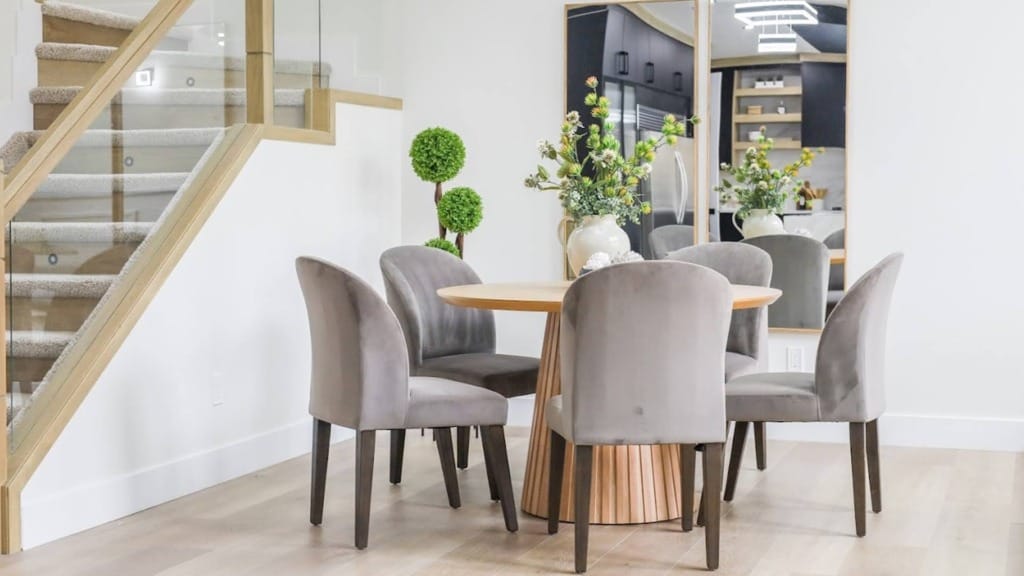
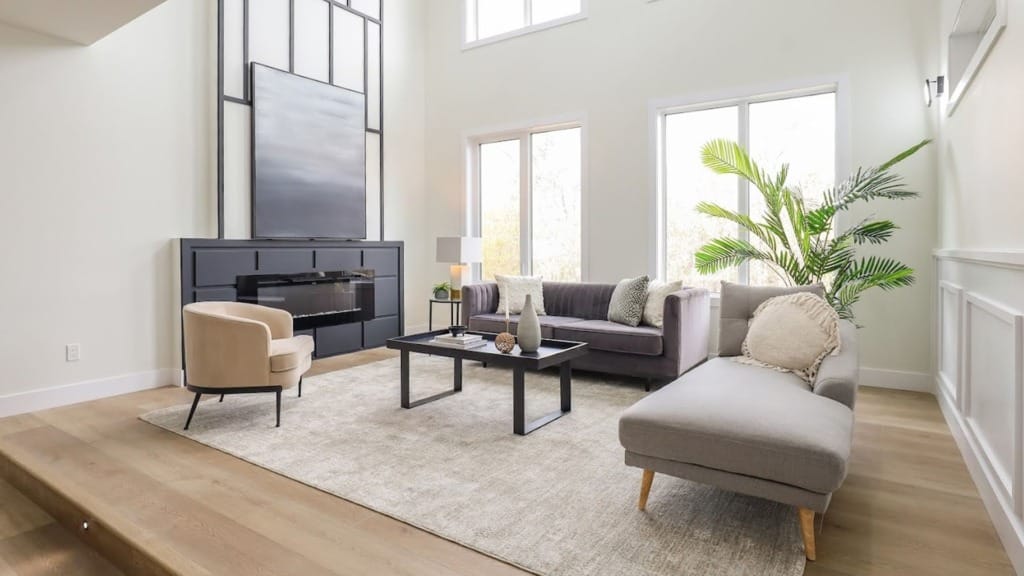
- A soft neutral palette like warm white walls + light wood tones + black accents creates a clean, modern look
- A greige + brushed nickel + soft textiles combination feels calm and broadly appealing
- Light wood furniture + neutral rugs + simple artwork keeps spaces approachable and easy to visualize
These combinations help buyers move through the home without mentally “resetting” in each room.
Also read: 11 Tips on How to Stage Your Home for a Quick Sale
Final Takeaway
Buyers Don’t Want Perfect — They Want Possibility
Most buyers aren’t searching for perfection but searching for potential they can make their own.
When homes feel well-maintained, cohesive, and thoughtfully staged, buyers don’t feel overwhelmed. They don’t question the upgrades. They start imagining themselves there.
That’s why the smartest strategy is to focus on what actually builds buyer confidence:
- Thoughtful, strategic updates
- Cohesive design choices
- Clean, move-in-ready presentation
- Staging that highlights the home’s strengths
These elements work together to create something more powerful than perfection – a sense of possibility.
Before investing in major upgrades, it’s worth stepping back and asking what buyers in your market actually expect. A professional staging consultation with The Staging Place can help you focus your budget on improvements that matter to your buyers.
Because when buyers walk into a home and immediately think, “I can see myself living here,” you’re already one step closer to a confident offer.